ALLU to the rescue

Case study

Solutions for handling coal ash

USA

Material Coal Ash

Industry Soil Improvement, Solidification, Stabilising

Application Soil Improvement

Function Coal Ash

Model Soil Improvement System

We are all aware of the environmental impact of coal ash in the US. With potential hazards to both the air and water being a concern to all parties involved. Loose particles of fly ash can float in the air to surrounding communities, causing various respiratory issues to nearby residents. Both abandoned and operational ash ponds have a high potential to seep into the groundwater carrying chemicals such as lead, arsenic and mercury to the municipal water supply.

What to do with these ponds has been the center of much debate throughout the power generation providers along with environmental advocates. Finding an acceptable solution that would provide a safe permanent, solution that was economically feasible has been a challenge. The EPA permits two methods, closure in place and closure by removal. Each method presents its own challenges and downsides.

Closure in place or “capping” the pond is typically done using a process known as “bucket mixing” which is accomplished by dumping sacks of powdered binder (usually Portland Cement) onto the surface of the pond. The binder is then mixed using the buckets of a tracked excavator. A shallow cap is formed as the cement hardens. Though much less expensive than removal. The main problem exists beneath the “cap” moisture remains in the unstable contaminated soil allowing continued seepage into the groundwater. The capped ground is unsuitable for building and difficult to repurpose, additional dust pollution is also created during the bucket mixing process.

Removal minimizes the overall risk of groundwater pollution but presents its own set of problems. Compared to closure-in-place costs, removal costs and time can add up to more than five times that of in-place closure. Relocation to an approved dump site (landfill) may also prove difficult with dust and contaminants being released during transport. Regulation of the dump site can also be difficult. If not properly maintained these sites can be affected by the wind carrying the reclaimed dust at great distances. Stormwater can seep through the ash and continue to contaminate groundwater.

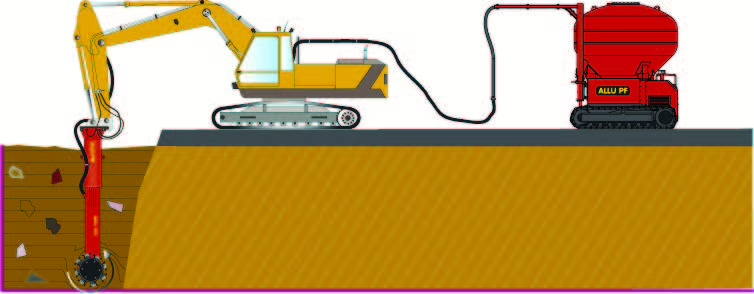
Deep pond stabilization provides an innovative solution that solves problems present in both capping and removal. The ALLU Soil Stabilization system has been used throughout Europe for more than a decade. The system uses a powerful mixing head attached to the boom of a mid-sized excavator. The mixing head is fed a dry binder by a computer-controlled high-pressure feeder creating a homogeneous mix. Unlike bucket mixing; the system is capable of depths beyond 20’. The ash pond is stabilized from the bottom up and not just at the surface. The feeding system regulates with precision the exact amount of binder prescribed by the engineer to fully encapsulate the contaminated site.

Because it is now a solid mass. Potential groundwater contamination along with dust pollution from wind, rain, or during transportation are eliminated. Costs are controlled by removing the need to build and maintain dump sites. Less fossil fuels are used without the need to transport to an off-site location. A solid surface remains that continues to harden over time allowing a re-purposing of the existing ash containment pond. A truly green solution.

There are hundreds of coal ash ponds in the USA, ash pond waste contains heavy metals, which leach into nearby groundwater, and surface water is the second biggest flow of waste material in the USA.
Coal combustion residuals (CCRs), commonly known as coal ash, are by-products of the combustion of coal at power plants operated by electric utilities and independent power producers. The environmental impacts are high with many sites leaking into the water course, causing pollution and major issues as you can see from the map. Many sites are not lined, and the raw waste material continues leaking into the water course.

Finding a permanent solution to this ongoing environmental issue has been a challenge for over a decade. The traditional method known as “bucket mixing” has no binder control which can, high cost and a lot of dust pollution with non-homogenized results. The treated site is only stabilized on the surface which allows continued leeching into the soil beneath the surface.

Solution

ALLU is one step ahead reducing costs up to 40%, providing a fast effective and environmentally friendly work method for the hardening and dynamic strengthening contaminated soft soils, as well as improving the soil’s deformation properties. It is designed to improve soft soils by mixing a binder into clay, peat, mud, or dredged sediments. The method can also be used in the treatment of contaminated soils, by encapsulating contaminants within the ground and preventing migration to the surrounding areas.

The Allu system consists of three components:

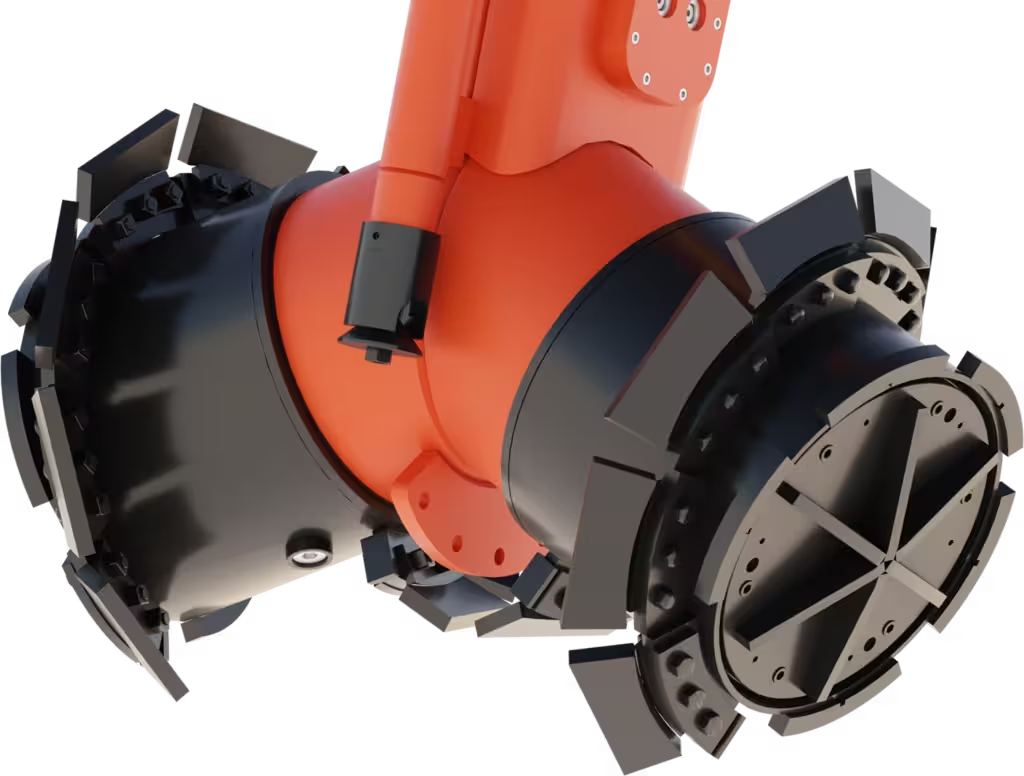
The first is the power mix attachment mounted to the dipper arm of a suitable excavator, using a pin mounting or quick-hitch adaptor plate. At the end of this substantial attachment, a pair of mixing/ cutting drums are used to mix the binder material into the ground in a controlled manner. The unit can process different materials to a depth of six meters, depending on the choice of the power mix model, the excavator’s reach and the quality of the material.

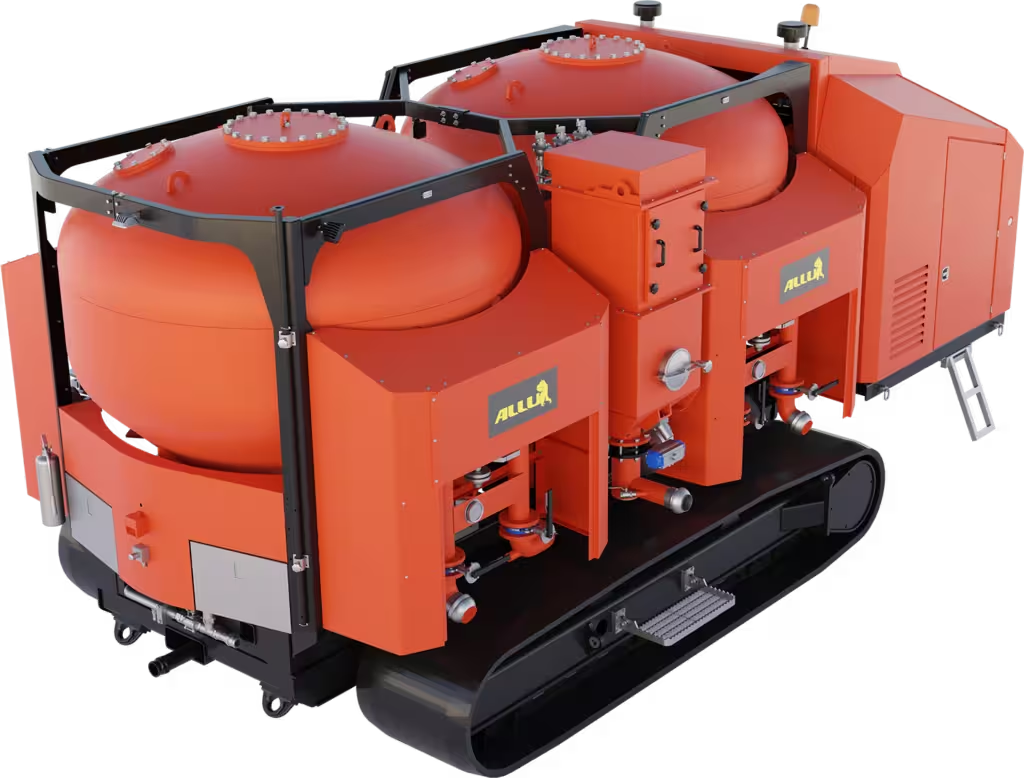
The second component is the pressure feeder mounted on a powered crawler chassis. This injects the binder into the ground by compressed air via hoses. The amount of binder per square meter can be controlled, depending on the requirement for the prevailing ground conditions.

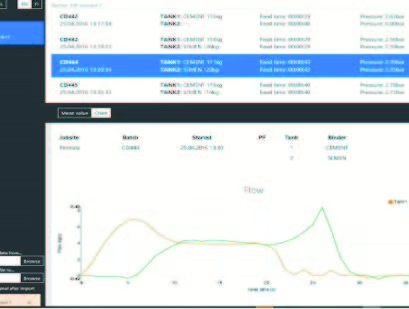
The third component in the Allu system is the data acquisition control (DAC), located in the excavator’s cab. This controls, measures and stores data on the stabilisation project. On site, the flow and pressure of the binder are adjusted by the excavator operator via the DAC, and it seems reasonably easy to use and enables the binder to be fed at optimum rates. Back in the office, the DAC provides an extensive report for the entire duration of a project, the data being transferred into a computer via a USB port.

Its potential as a sustainable solution with a valid mixing method and homogeneous results, causing less dust pollution and reducing binder costs, demonstrates why the system has already been successfully used in different ground conditions and interest is certainly being generated.

PF 7+7 Pressure Feeder

The double tank ALLU Pressure Feeder PF 7+7 NextGen allows for continuous feeding and precise dosing of dry binders in soil improvement projects.

Processor Power Mixer

Carriers 25 – 40 t
The ALLU Processor is a power mixer attachment for conventional excavators. This attachment converts the excavator into a powerful and versatile mixing tool.
Case study

ALLU Soil Improvement System Stabilising Railway Foundation

Sweden

Material Swamp, soft peat and clay

Industry Mixing, Solidification, Stabilising

Application Stabilising

Function Stabilising, Solidification, Mixing

Model ALLU Soil Improvement System

Image for illustrative purposes only.

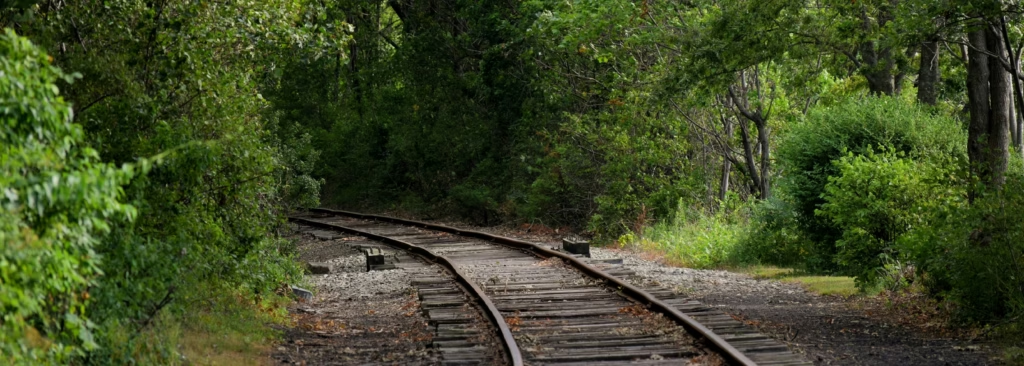
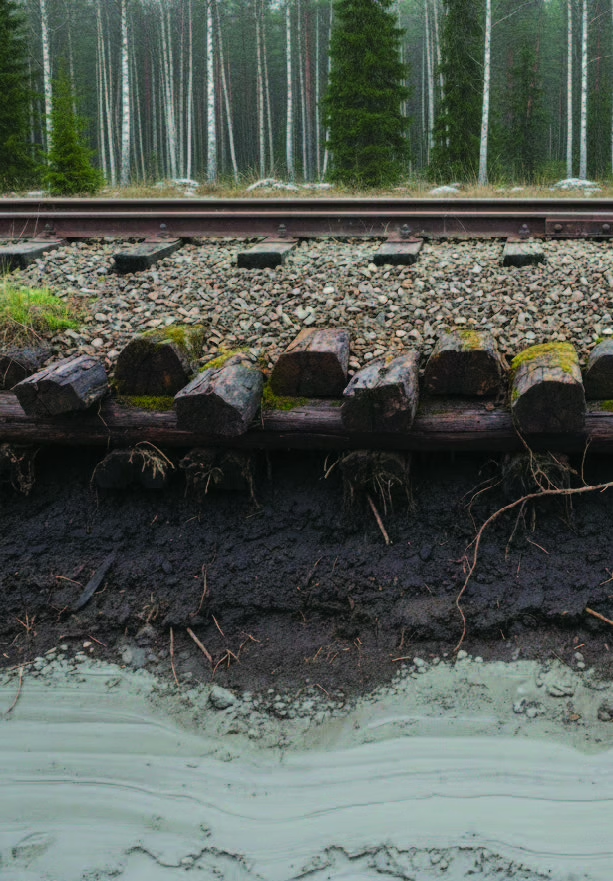
The Lindholmen–Frösunda section of the Roslagsbanan commuter line runs across peat bogs and very soft clay north of Stockholm. The original early 1900s railway sat on a simple timber mattress, a layer of logs acting like a crude geotextile. It hadn’t settled much, but it had a bigger problem: “THE WHOLE AREA BOUNCED WHEN A TRAIN PASSED”


PROJECT SPECIFICATIONS

750m

Long single track on peat and soft clay, stabilized before track rebuild

3-4m deep

Mixing through peat into upper clay

10m wide

Stabilised width under single-track embankment

>50kPa

Target strength, undrained sheer strength


Overview: A “Bouncy” Railway on Peat

Dynamic movements limited permitted speed, increased maintenance, and were unacceptable for a major capacity upgrade. At the same time, designers faced tight constraints:

  • HIGHLY ORGANIC SOILS: 1–4 m of peat over very soft, sensitive clay(undrained shear strength ~4–5 kpa).
  • ENVIRONMENTAL PRESSURE: Peat excavation would mean large spoil volumes, co2 release and impact to nearby wetlands.
  • LIMITED CORRIDOR: Lake on one side, cycle path on the other; no room for wide excavations or a big temporary works zone.
  • BUSY COMMUTER LINE: About 53,000 daily passengers on roslagsbanan overall – shutdowns had to be short.

Faced with a narrow corridor squeezed between a lake and a pedestrian path, deep peat and very soft clay, and only short shutdown windows on a busy commuter line, the project team quickly saw the drawbacks of traditional solutions. Mass excavation and replacement would have meant large spoil volumes, stability risks during digging, long closures and a heavy environmental footprint, while pile-supported slabs pushed costs and construction complexity beyond what the project could reasonably carry. What they needed instead was a method that could fit within the existing alignment, reuse the soil in place, minimise traffic disruption and still deliver a stiff, durable track foundation.

The obvious candidate was in-situ mass stabilization with dry mixing. Instead of fighting the peat and clay with heavy excavation or deep foundations, the idea is to turn the existing soil into a controlled engineering material right where it lies. By blending a carefully selected dry binder into the soft ground, designers can “dial in” the strength and stiffness needed for modern train speeds while keeping settlements within limits. Because the treatment follows the existing alignment, it fits inside tight corridors without widening the embankment or disturbing adjacent assets. And by reusing the soil in place, it cuts spoil, truck movements and carbon. In short, dry-mix mass stabilization promised performance, constructability and environmental benefits in one package.

The better way

In-situ Mass Stabilization with dry mixing

The geotechnical team selected in-situ mass stabilization with dry soil mixing as the preferred solution. A contractor executed the works using the latest ALLU Soil Improvement equipment: The concept: build a stiff, continuous “mattress” of treated peat and clay under the future track, instead of removing the problematic soil.


Key geotechnical design targets

3 meters

mixing depth through peat track embankment into upper clay

10 meters

Stabilized width

>50kPa

target strength, undrained sheer strength (UCS ≥ 100 kPa) after curing


The design targets for the stabilized ground were clear. First, the bearing capacity had to be increased so the embankment could carry train loads without excessive deformation. Second, settlements and long-term consolidation needed to be tightly controlled: because the existing track profile could not be raised, total settlement of the stabilized ground had to be limited to only a few centimeters. Third, the dynamic stiffness of the formation had to be improved to eliminate “bouncing” under passing trains and maintain good track geometry. Finally, the solution needed to provide adequate slope stability, with a safety factor greater than 1.5 against shear failure in both the embankment and adjacent slopes.

Binder recipe

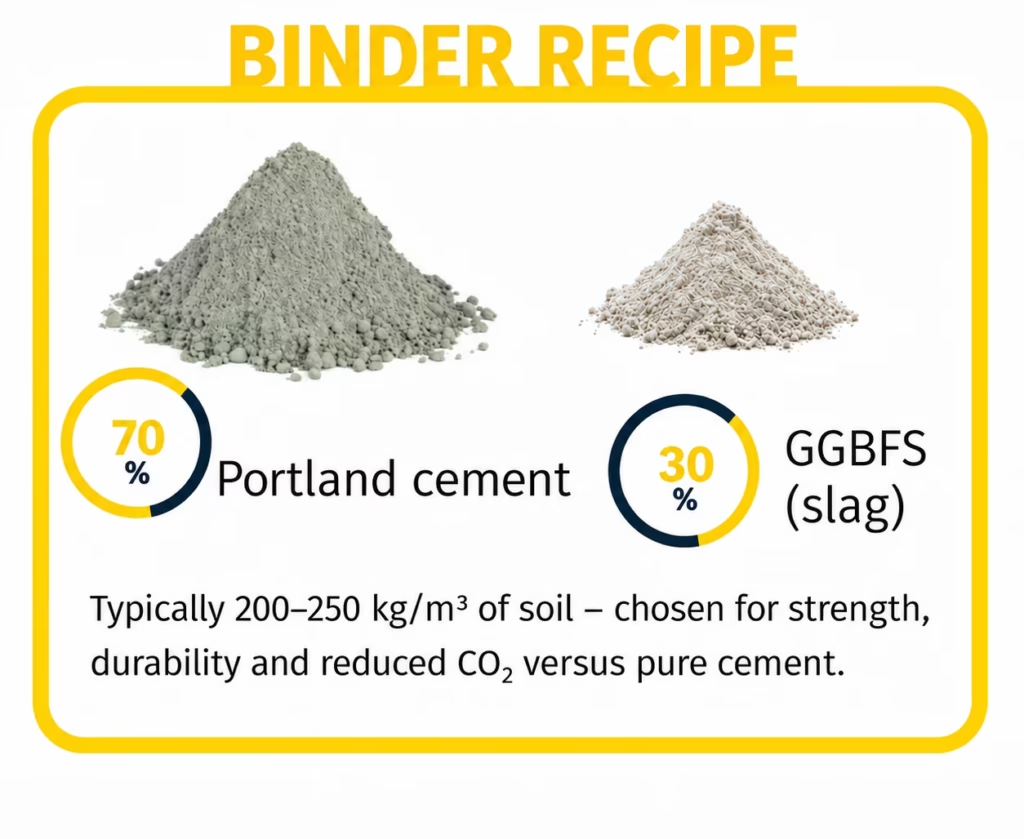
The binder recipe was chosen to match both the soil conditions and the project goals. Laboratory and field trials on Roslagsbanan, including earlier works at Täljö, had already shown that a 70 % Portland cement / 30 % ground granulated blast-furnace slag mix at around 200 kg/m³ comfortably exceeded the required strength for similar peat and clay deposits. Building on this experience, the Vallentuna design adopted the same blend and dosage range, confirming with cube tests that the mix achieved the target UCS and shear strength. The 70 % cement fraction provides rapid early strength so the line can reopen quickly, while the 30 % slag contributes continued strength gain and long-term durability and at the same time lowers CO2 emissions compared with pure cement. Lime was deliberately excluded: the highly organic peat contains very little clay, so there is limited potential for lime–clay reactions, whereas cement and slag are effective binders for such soils. Overall, the chosen recipe provided a proven balance of performance, constructability and sustainability for this soft-ground railway upgrade.

Laboratory and in-situ test panels confirmed that this binder blend met and exceeded performance requirements.

HOW THE WORK WAS DONE

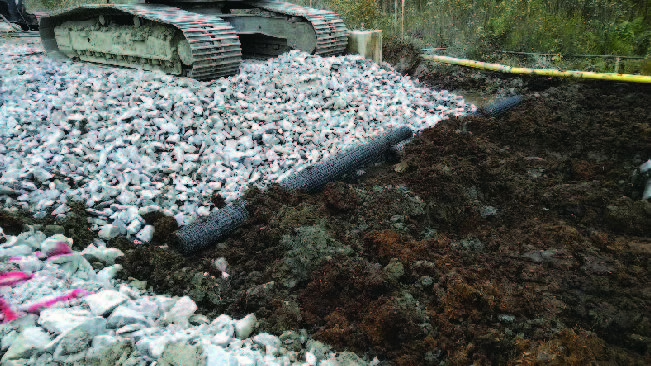
  1. Strip and access: Existing track, ballast and the old timber mattress were removed. A geotextile + crushed rock working platform allowed machines to traffic the bog.
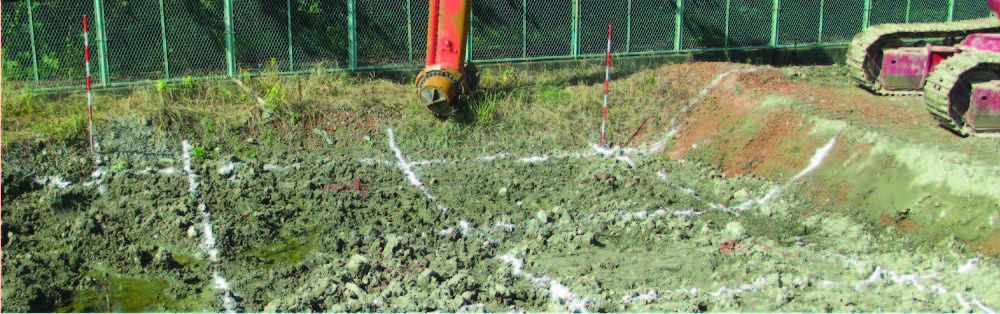
  1. Divide into cells for control & speed: The peat area was set out in 5 × 5 m cells (25 m²) using GPS – an easy way to manage binder quantities and ensure full coverage.
  1. Mix in three passes with ALLU PMX + PF: The PMX mixer was driven down to design depth while the PF feeder injected dry binder. Two further shorter passes blended soil and binder into a homogeneous mass. In fully saturated peat, little or no extra water was needed. Two PF feeders were used in rotation – while one worked, the other was refilled – keeping production continuous.
  1. Surface prep and reinforce: The treated surface was trimmed; then a separator geotextile, geogrid and new crushed rock ballast.
  1. Quality control built-in: Automated logging of binder weight vs. depth for every cell Field vane tests after 1–2 weeks Cored samples for 7- and 28-day UCS tests Acceptance criteria: UCS ≥ 100 kPa and consistent mixing. Achieved strengths were typically 120–150 kPa at 28 days, comfortably above target.

THE OUTCOME

Track strengthening completed within the planned shutdown window

  • 16,500 m³ of peat and soft clay stabilized in situ
  • 750 m of track treated, 10 m wide stabilised layer, 3 m typical mixing depth depth
  • ~300 cells of 25 m² each
  • 24 t binder per cell, three 8 t loads from the PF feeder
  • ~650 m³ per 10-hour shift production with a three-person crew

Compared with excavation and replacement, this avoided moving roughly 16,500 m³ of peat and clay off site and importing the same volume of granular fill – thousands of truck movements and significant CO² emissions avoided. After stabilization and reconstruction, the Lindholmen–Frösunda single track reopened with: No more “rocking” embankment – dynamic deflections under trains essentially eliminated, minimal settlements – only a few millimetres, within design expectations, improved track stiffness and reduced maintenance need, a fast, cost-effective solution compared with pile slabs or mass excavation and a lower-carbon, lower-impact project by reusing in-situ soils and incorporating slag in the binder.

Why This Matters for Your Next Soft-Soil
Project

For designers and project managers working on rail, road or industrial platforms over peat and soft clays, this project demonstrates that there is a better way to do things:

  • Design for stiffness, not just settlement. If you only design for settlement, a track can still feel soft and “bouncy,” limiting speed and driving up maintenance. What really matters for rail performance is stiffness under moving loads. ALLU mass stabilisation lets you build that stiffness into the ground.
  • Use the soil you have. Instead of fighting the peat, the team turned it into a structural material. That meant fewer trucks, less risk of slope instability, fewer permits, and a smaller CO2 footprint.
  • Plan production like a factory process. Breaking the site into 25 m² cells, combining layout with ALLU’s dosing control and using two PF feeders gave reliable outputs (~650 m³/shift) with a very small crew – a big advantage on tight shutdown schedules.
  • Keep QC simple but strict. Inline binder logging a small set of field and lab tests were enough to prove performance without overcomplicating the site setup.
  • Choose equipment that fits the corridor. The ALLU PMX mixer or the ALLU PMV Processor work from a standard excavator and a narrow working platform—ideal where you can’t widen the the embankment.

Case study

ALLU Processor Solidifying Building Foundation Area

Netherlands

Material Wet soil and mud

Industry Solidification

Application Solidification

Function Solidification

Model ALLU Processor 500HD

Problem

The job site was located on wet swampland which was to be used for a housing and warehousing development.

Solution

Prior to commencing any excavation work, the ground first had to be solidified by mixing and adding lime and fly ash with the ALLU Processor 500HD Power Mixer.

Benefit

Following the solidification process the area was made strong enough to bear excavators enabling the excavation process to proceed. This also led to improved operational safety on the site as well as improving the quality of the material excavated which was to be used for foundations on the development.

Related Products