Arsenic-contaminated soil is one of the most demanding materials in environmental remediation. When arsenic levels exceed regulatory limits, excavated soil cannot simply be moved and reburied. It must first be treated, typically by mixing in chemical stabilizers that lock the arsenic and prevent it from leaching into the surrounding environment. Only after the treatment has been completed and verified can the material be safely reused as backfill.
The conventional way to do this involves hauling the excavated soil to a mixing facility, running it through dedicated mixing equipment, and managing the logistics of transfer and dust control throughout. For many projects, this means considerable cost and complexity before a single cubic meter of soil is treated.
For a remediation contractor working in Hexigten Banner, Inner Mongolia, that conventional approach wasn’t justified. The project required effective stabilization, but the site conditions called for something simpler.
Treating Soil Directly on Site
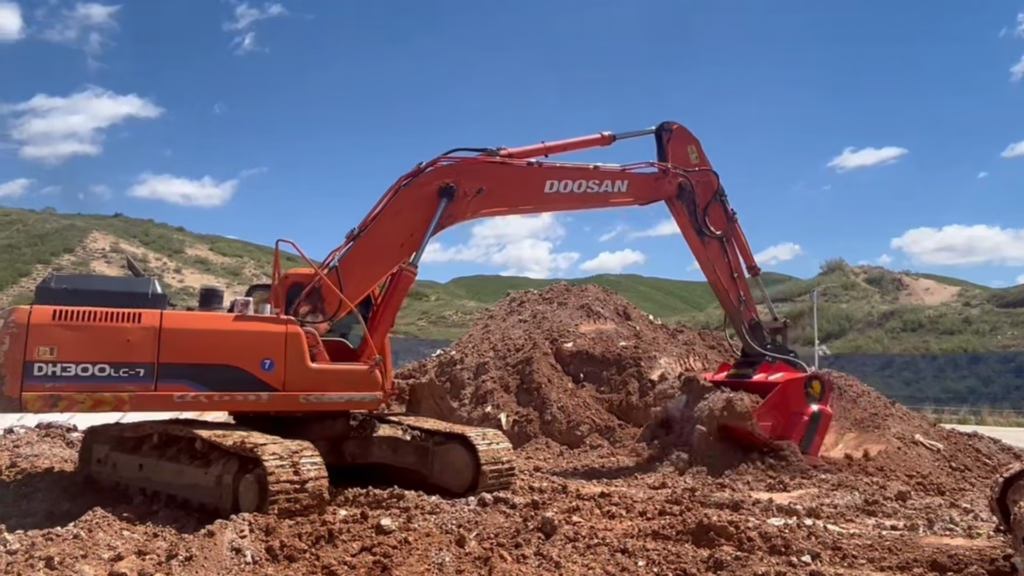
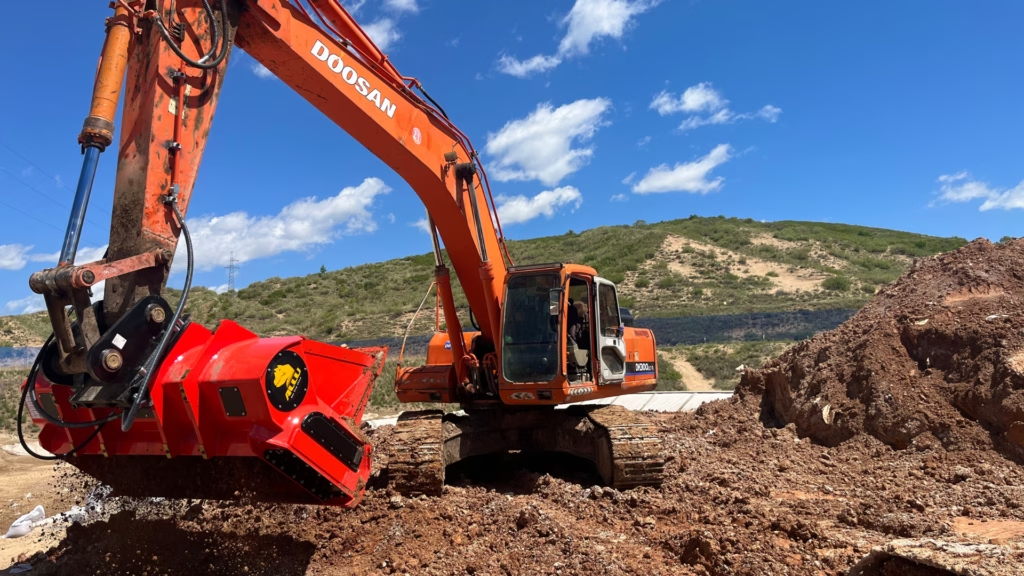
The contractor mounted an ALLU DH 3-23 screening bucket on a standard excavator already on site. Rather than moving the soil to a treatment line, the treatment was brought directly to the soil.
The workflow was straightforward. Chemical stabilizers — iron salts and binding agents — were spread directly over the surface of the contaminated stockpile. The excavator then loaded the treated material into the ALLU bucket, which handled everything in a single pass. As the drum rotated, it thoroughly and evenly worked the reagents into the soil while at the same time screening out oversized debris, including stones, roots, and compacted clumps. The result was a clean, consistent fine-fraction material.
Why One Pass Made the Difference
The ALLU bucket’s value lay in performing two functions at once. The rotating drum action mixed the material as effectively as a dedicated pugmill, ensuring an even distribution of stabilizers throughout the soil. At the same time, the screening process removed oversized debris that did not require treatment, reducing the total volume of material that needed to be processed and disposed of.
In this project, that combination reduced the volume of material requiring treatment and final disposal by 15–20%. Processing less material also reduced reagent consumption, lowered fill requirements, and decreased overall project costs.
From Contaminated Soil to Reusable Fill
After processing, the treated soil was stockpiled for a curing period of one to two years, allowing the stabilization chemistry to complete. Once cured, the material met local environmental standards and was approved for direct backfill use, turning what had been classified as contaminated waste into a usable construction material.
The project manager summed it up: “We didn’t need a multimillion-dollar treatment plant. With a single ALLU bucket and our existing excavator, we handled the mixing, screening, and volume reduction right at the stockpile. The material went from waste to reusable fill with minimal handling.”
A Different Approach to Soil Remediation
This project demonstrates a simple principle: effective soil treatment doesn’t always require a fixed facility. When the right processing capability is brought directly to the stockpile, the logistical burden of a conventional treatment process, including transportation, material handling, and dedicated equipment, can be significantly reduced.
For the contractor, the ALLU DH-screening bucket transformed a potentially complex and costly project into a streamlined on-site operation with a clear outcome.
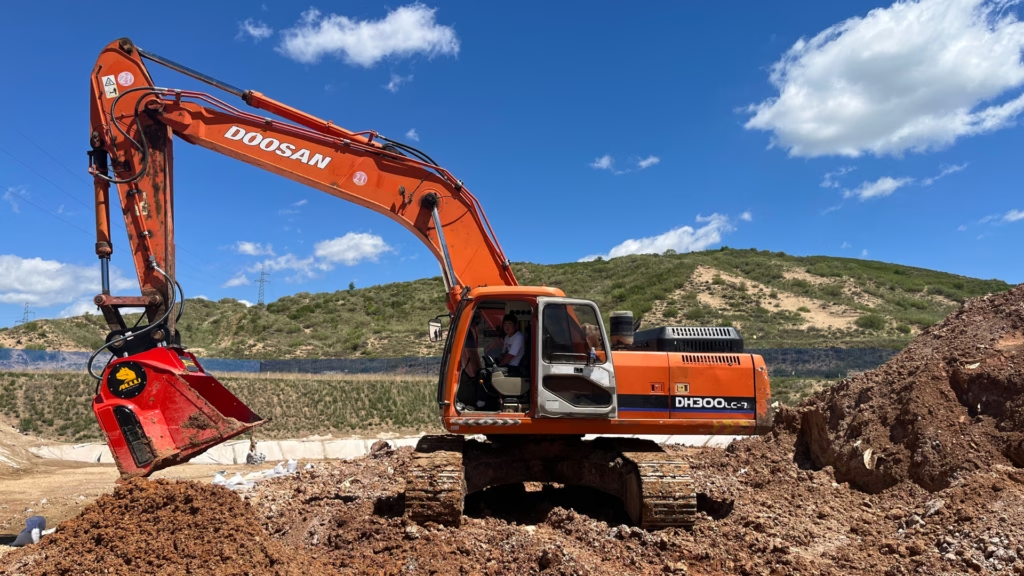
Watch the video to see the ALLU screening bucket in action.
Related products
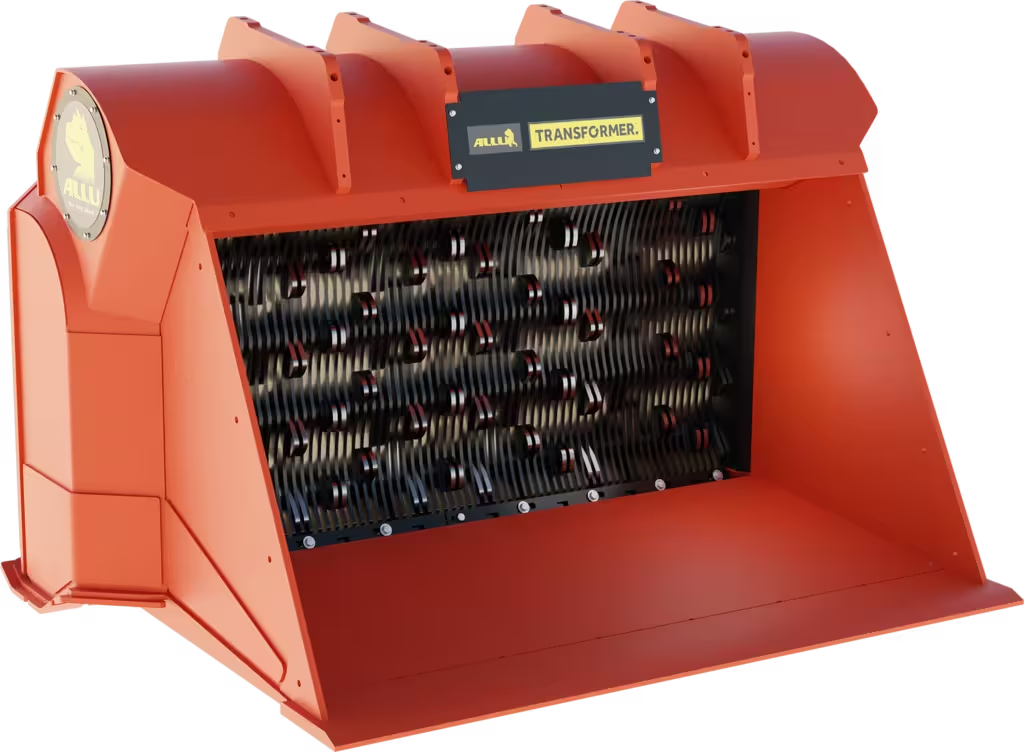


Screening Bucket – D-Series
Other case studies
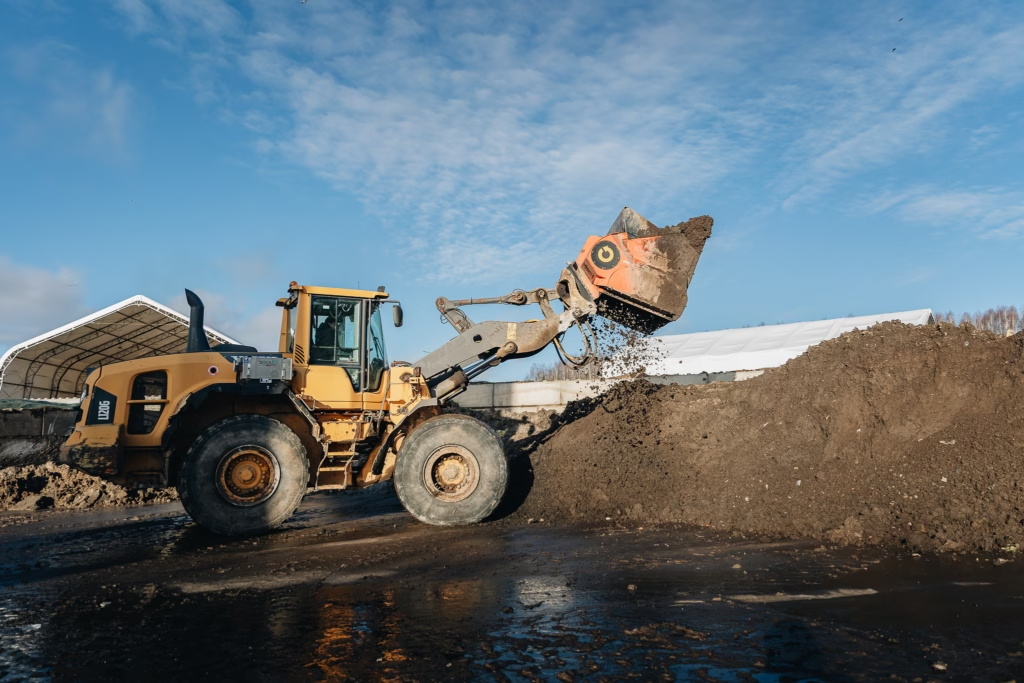
Hazardous Waste Processing in Latvia’s Largest Remediation Project
When Latvia launched its most ambitious environmental cleanup to date, A/S BAO turned to ALLU to handle the extreme materials and conditions at the infamous Inčukalns tar ponds. More than…
Explore customer story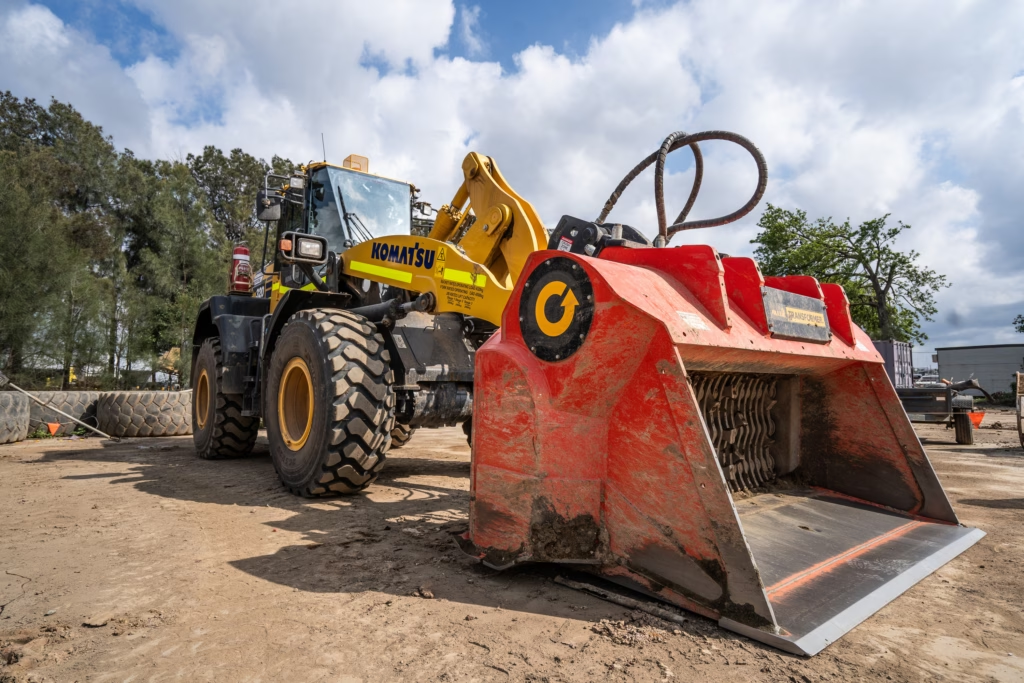
Support by the bucketload: Enviropacific & ALLU
Enviropacific integrated a customised ALLU TS Screener Crusher bucket into their operations to address production challenges caused by tough clay material. The bucket, configured with axe blade cutters, was designed…
Explore customer story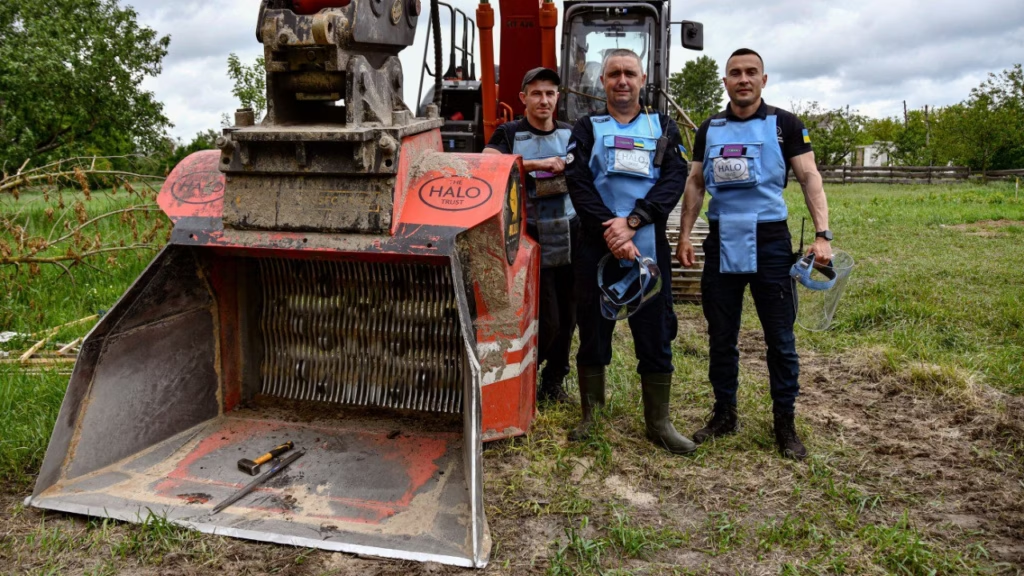
ALLU screening buckets in demining
The HALO Trust is one of the world’s largest humanitarian demining organizations, working to protect lives and restore livelihoods in communities affected by conflict. In Ukraine, HALO uses ALLU screening…
Explore customer storyInterested?
Contact our team and we’ll help you find the perfect solution for your business.