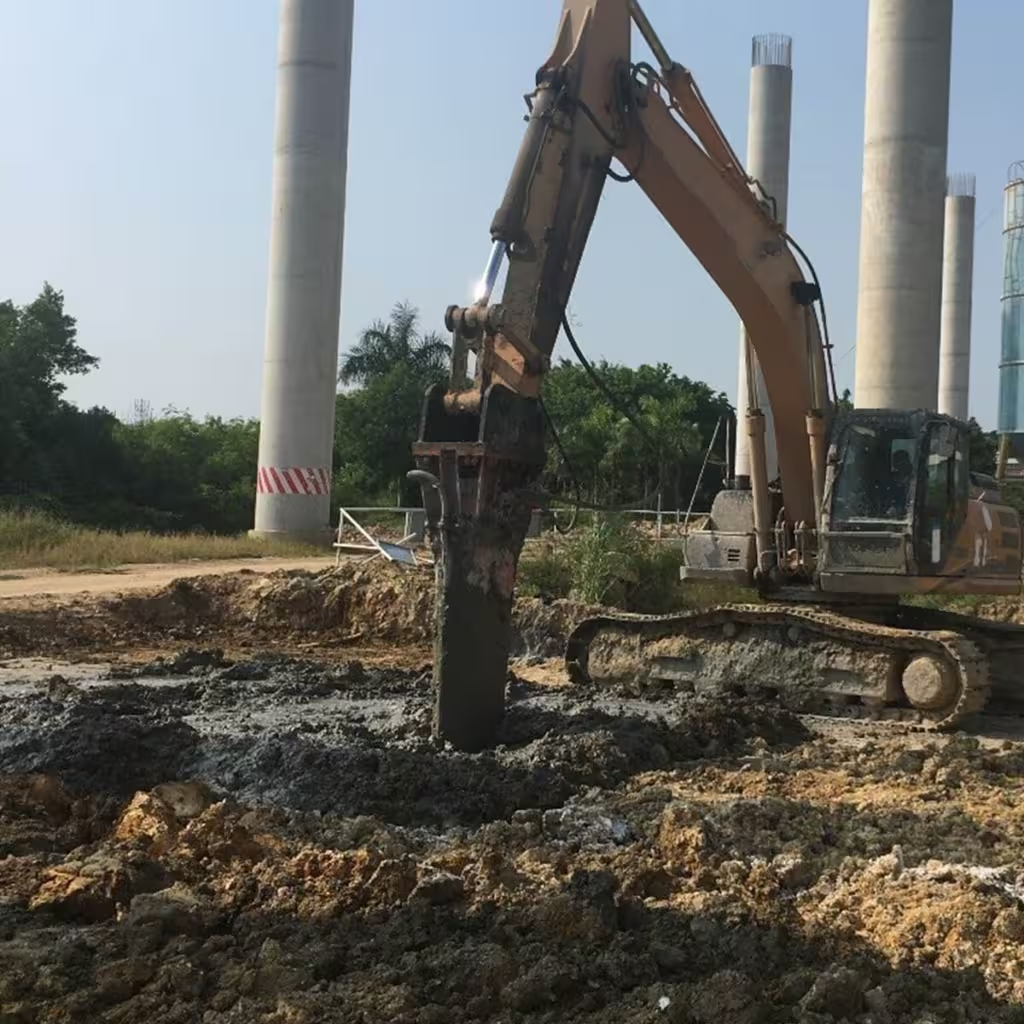
Sticky soil is one of the most difficult materials to screen. Add rebar, broken bricks, concrete chunks, and other demolition debris, and most conventional screening equipment quickly struggles. Sticky-soil material can build up on and block a screening plant’s screen deck. The wet, clayish soil cakes onto screening surfaces, while the rebar can jam the mechanism. What should be a straightforward separation process turns into a constant cycle of stopping, cleaning, and restarting.
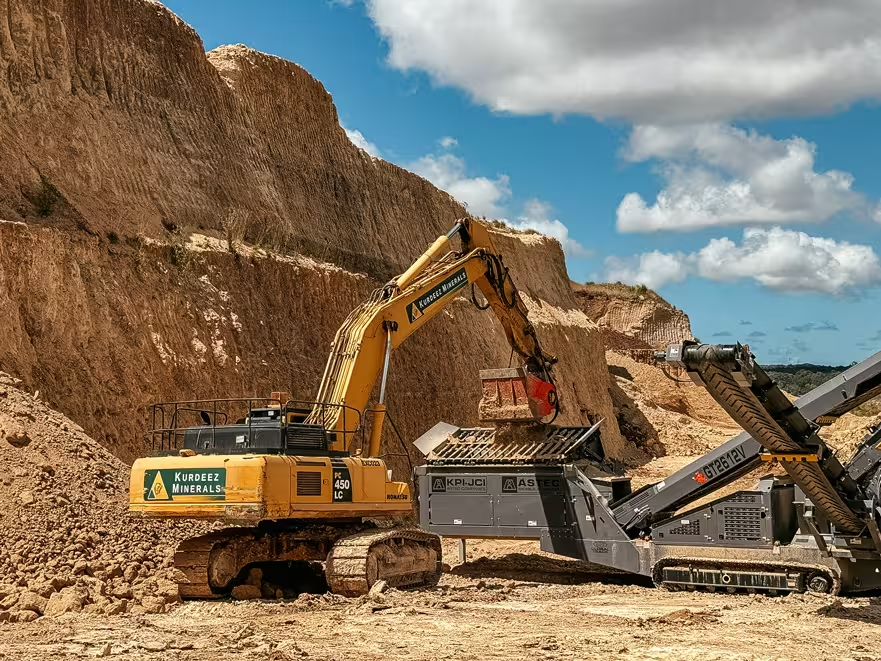
For one contractor processing heavily clay-contaminated construction waste in China, this was more than an operational inconvenience, it was a business problem. The material contained valuable resources: soil that could be sold for agricultural use and stone that could be processed and sold as aggregate. However, accessing that value first required to overcome the screening challenge.
Why Sticky Soil Stops Other Equipment
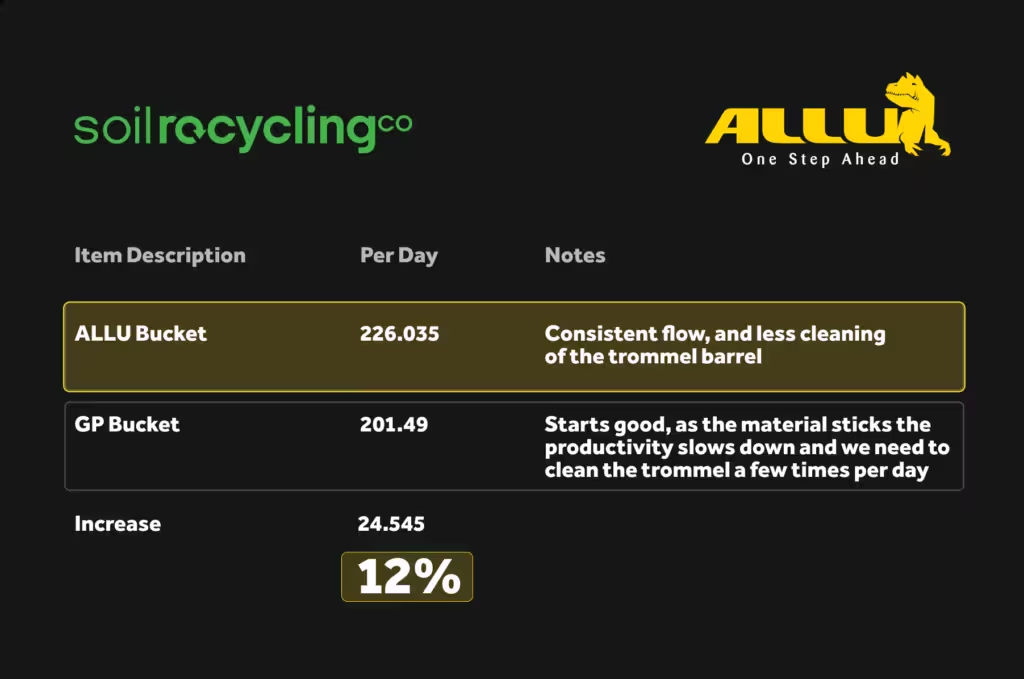
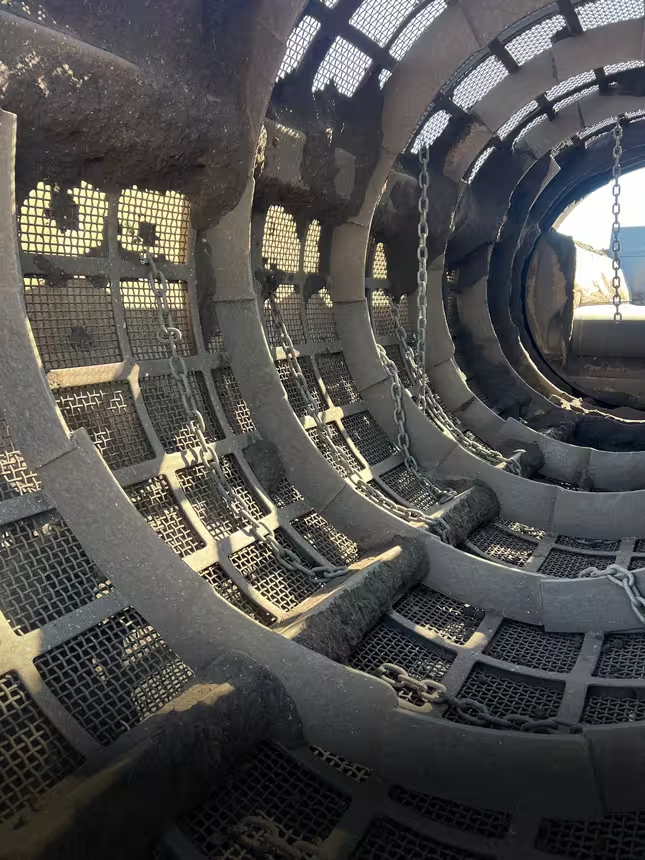
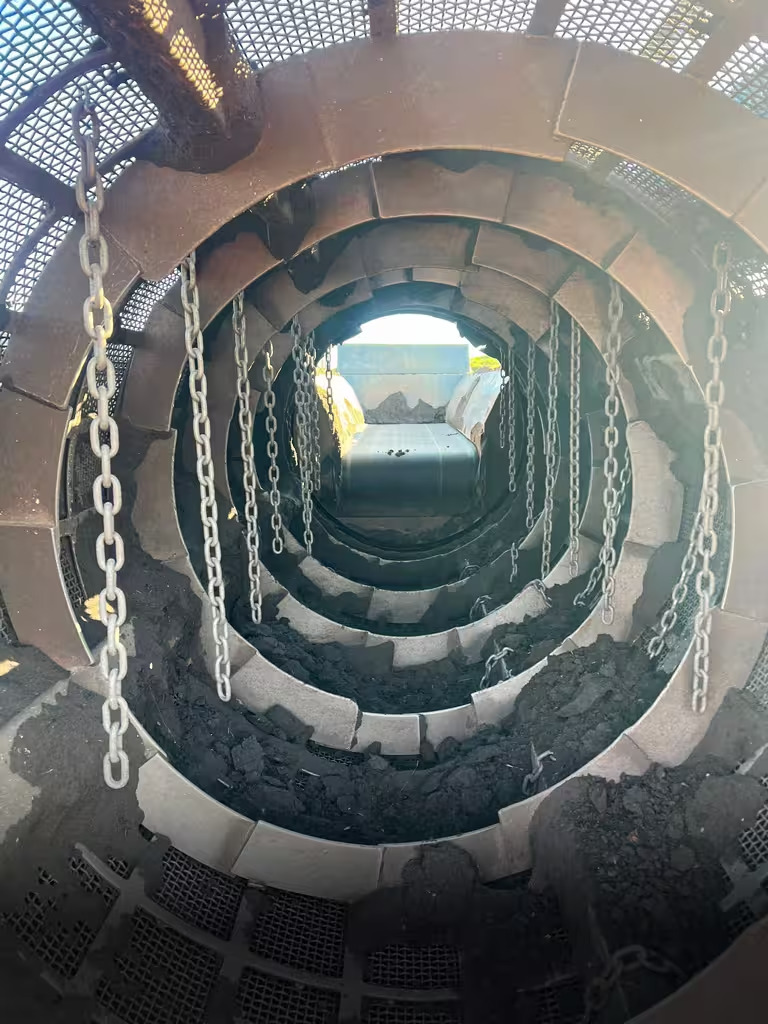
Static screens are prone to clogging, while vibratory screens can lose screening efficiency when sticky soil coats and blocks the openings. Even purpose-built screening attachments can struggle when wet clay is present. Fine particles adhere to the screen surface, bridge across the openings, and gradually restrict the flow of material. Operators spend more time cleaning the equipment than screening, so production falls; operating costs rise, and material remains in the stockpile.
The root cause is simple: much conventional screening equipment relies on gravity or vibration to keep the screen surface open. Neither method works effectively when the material tends to stick rather than fall freely.
The ALLU Difference: Screening Combs That Stay Clean
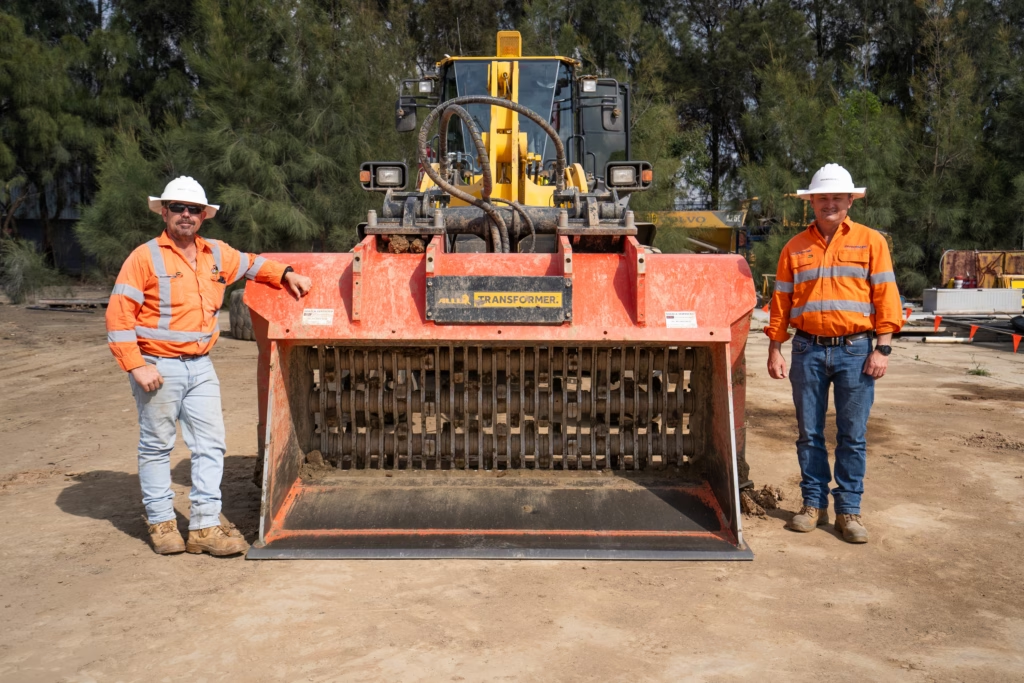
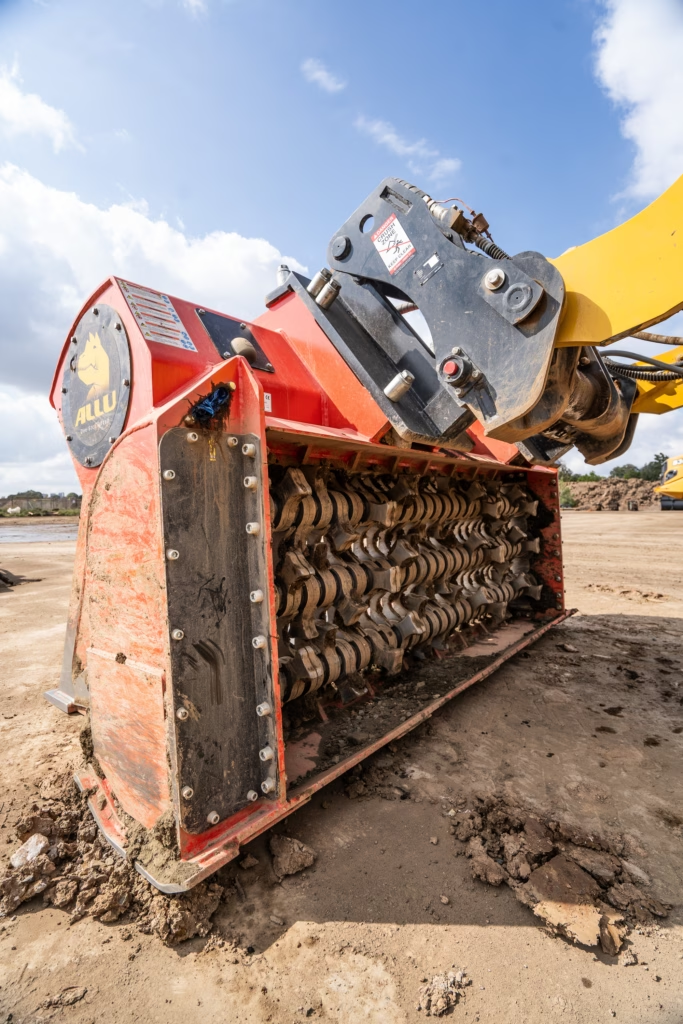
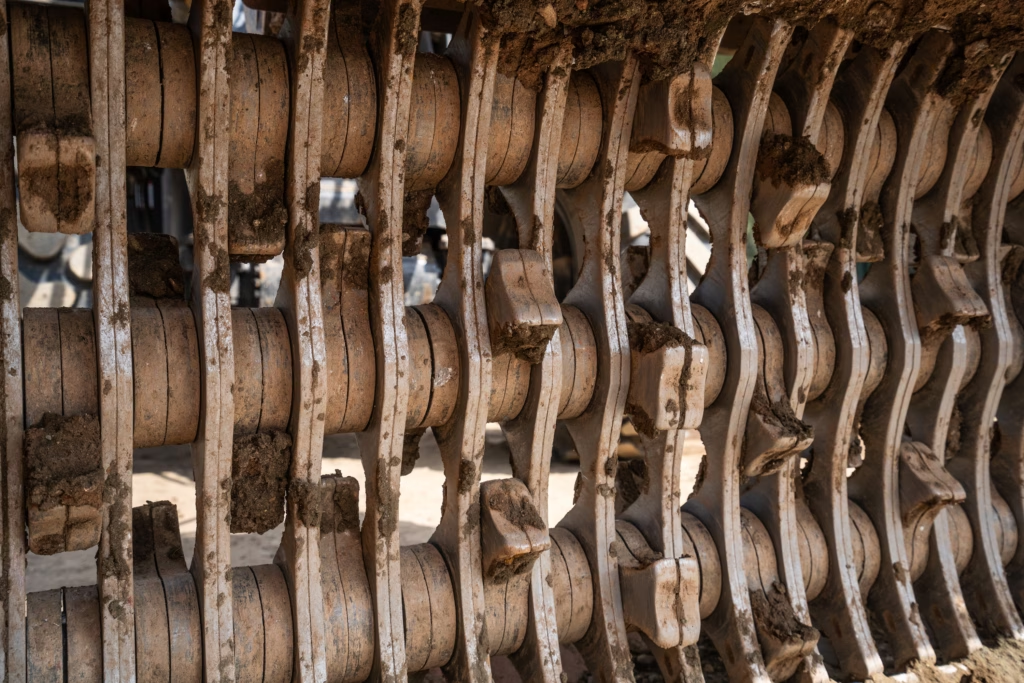
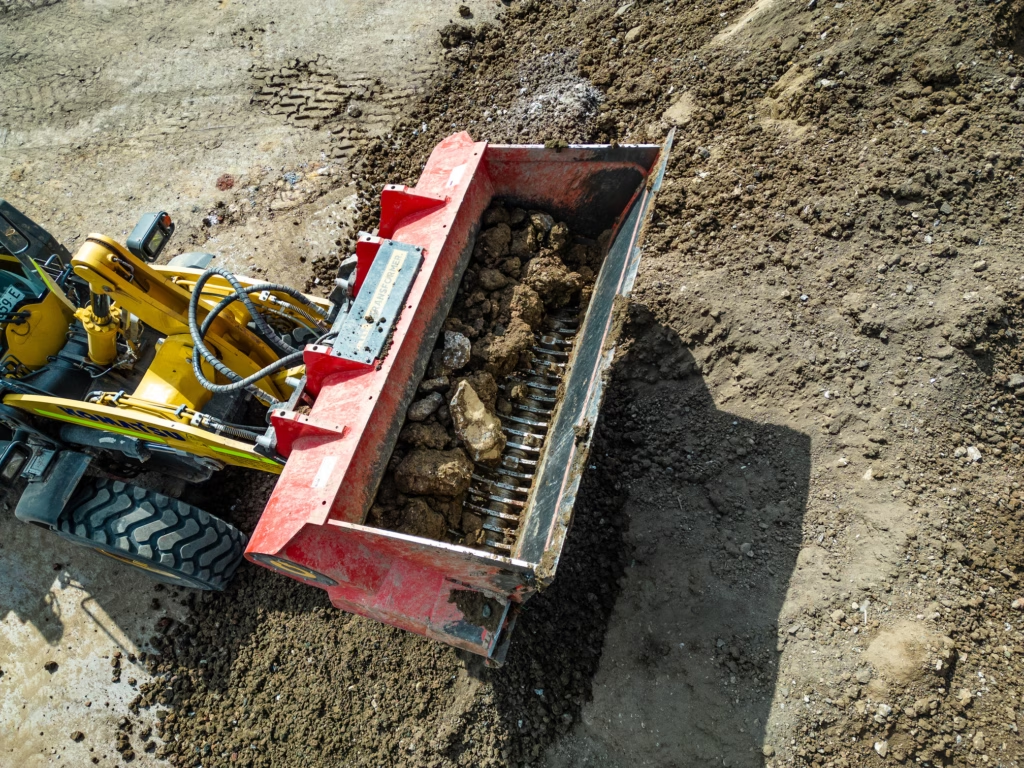
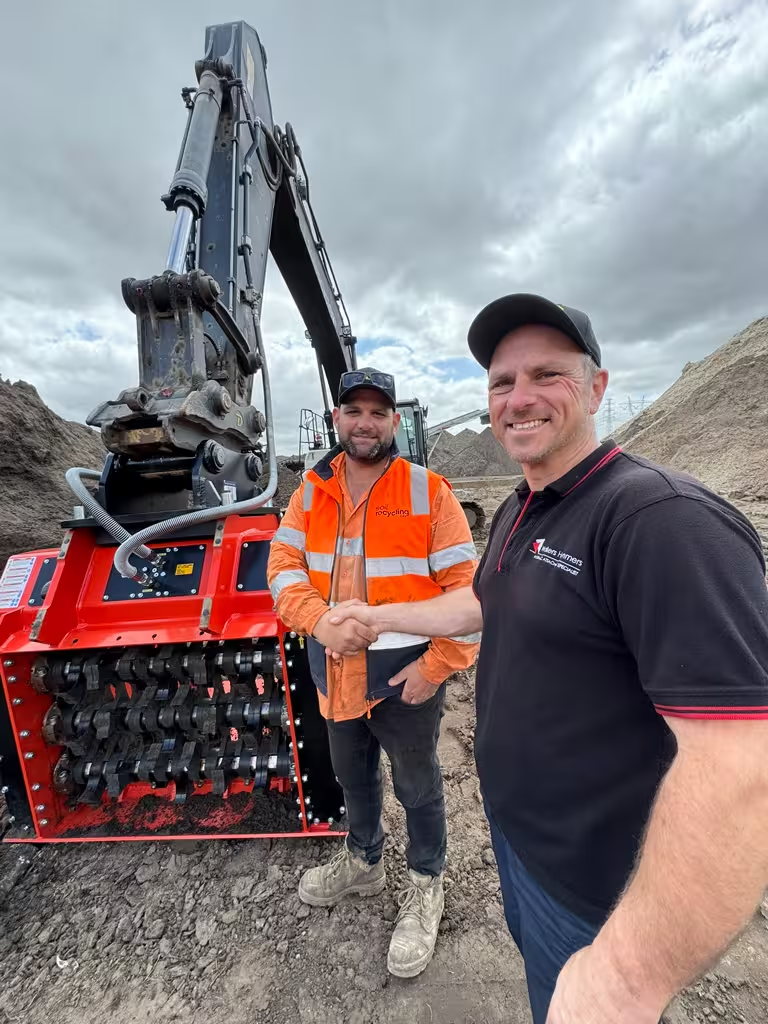
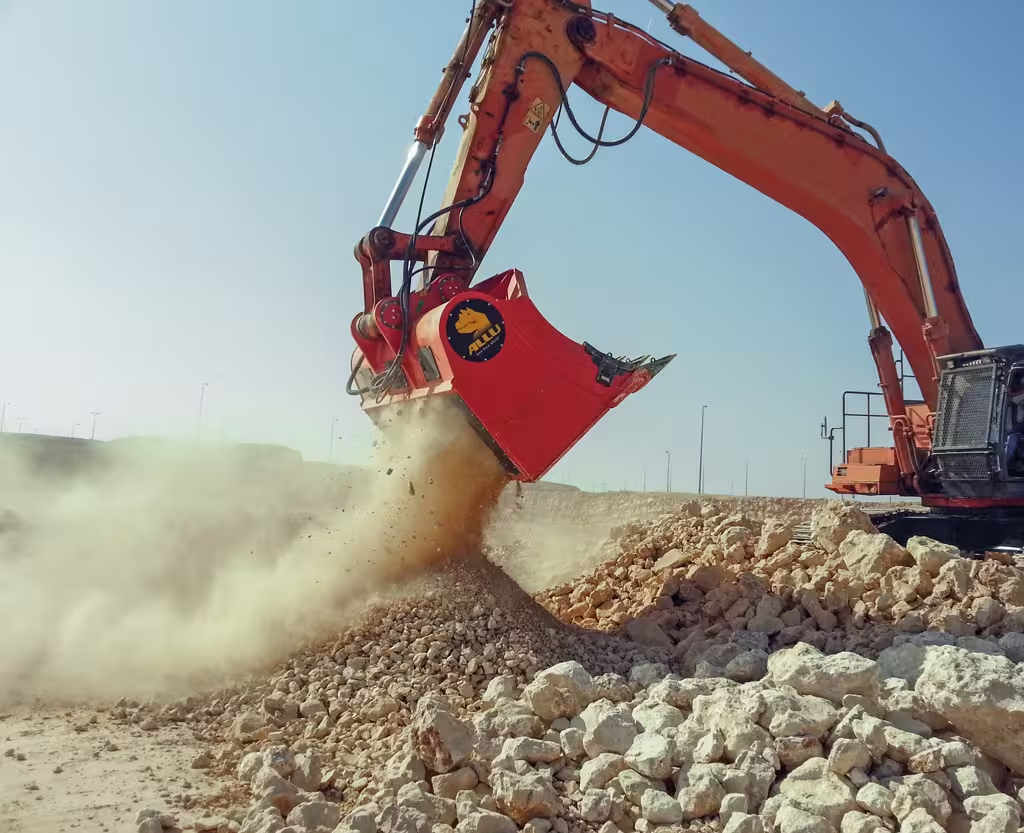
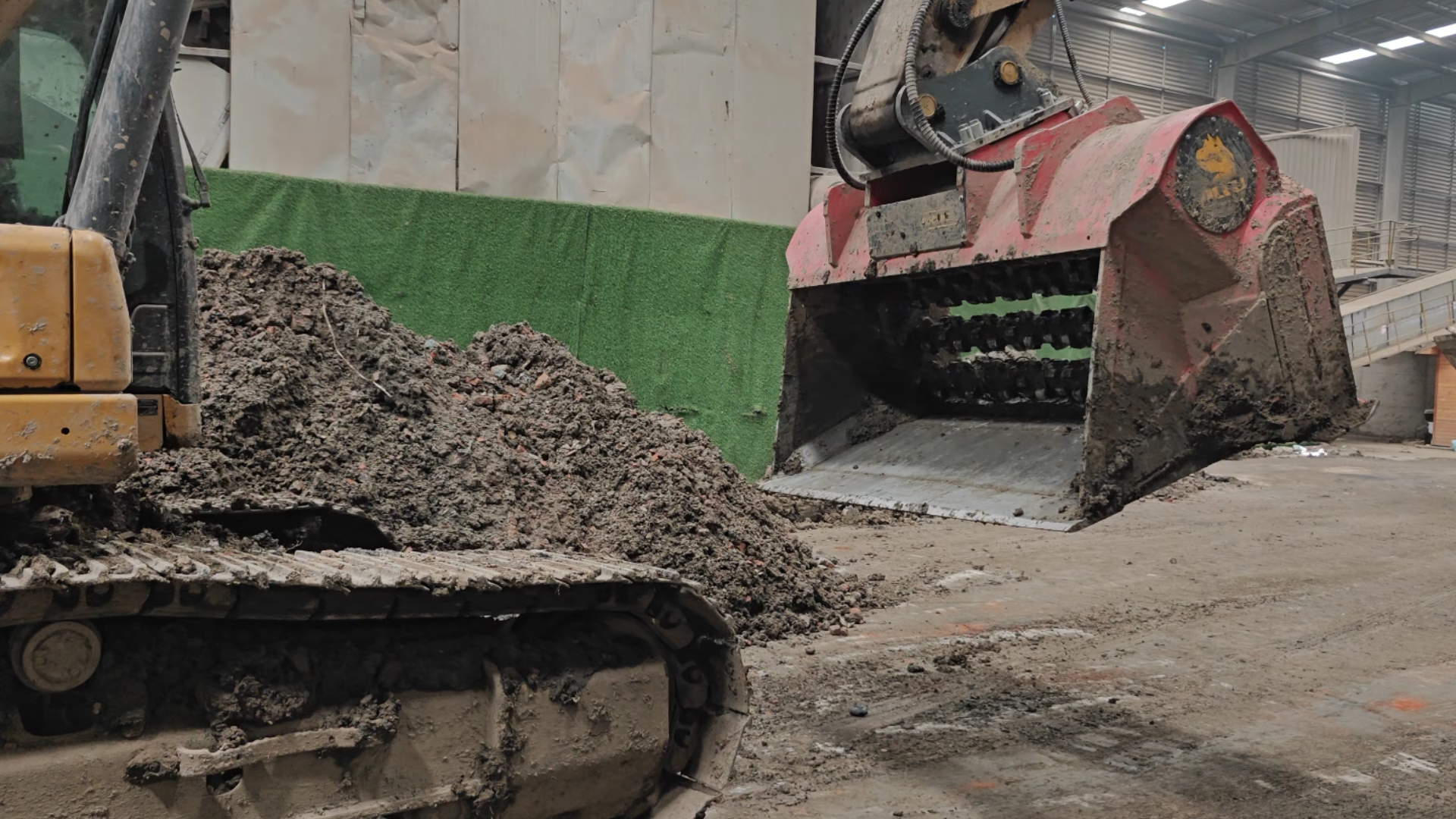
The ALLU screening bucket approaches the problem differently. Instead of using a flat screen deck, it uses rotating drums equipped with specially designed screening combs. As the drums rotate, the combs actively break up the material and move it through the screening openings.
The comb design helps prevent sticky soil and fine particles from building up on the screening surfaces. Material that would normally pack into a static screen is kept in motion as it passes through the rotating drums. The drums can also rotate in both directions, allowing the operator to reverse the flow and clear any buildup before it becomes a problem.
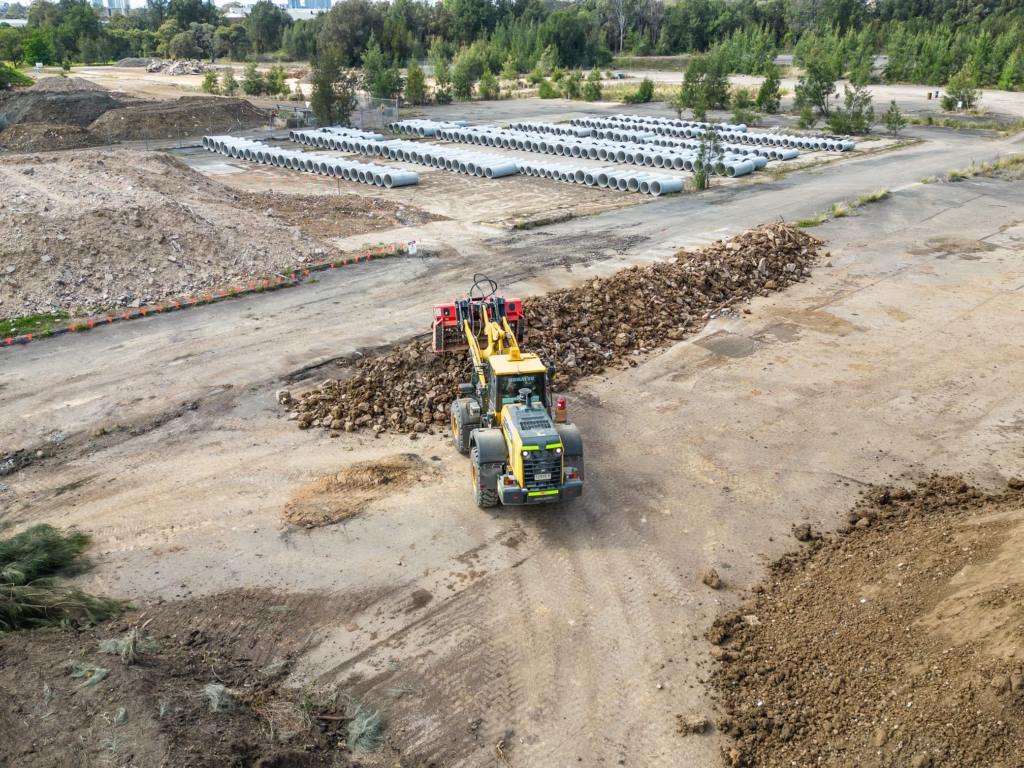
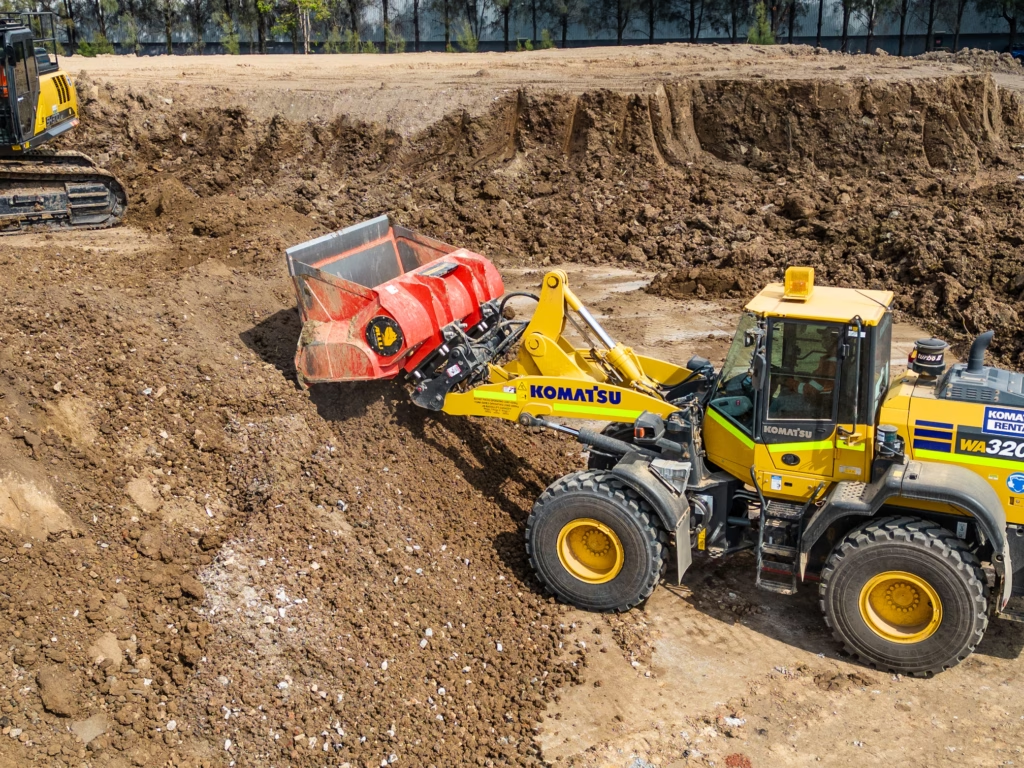
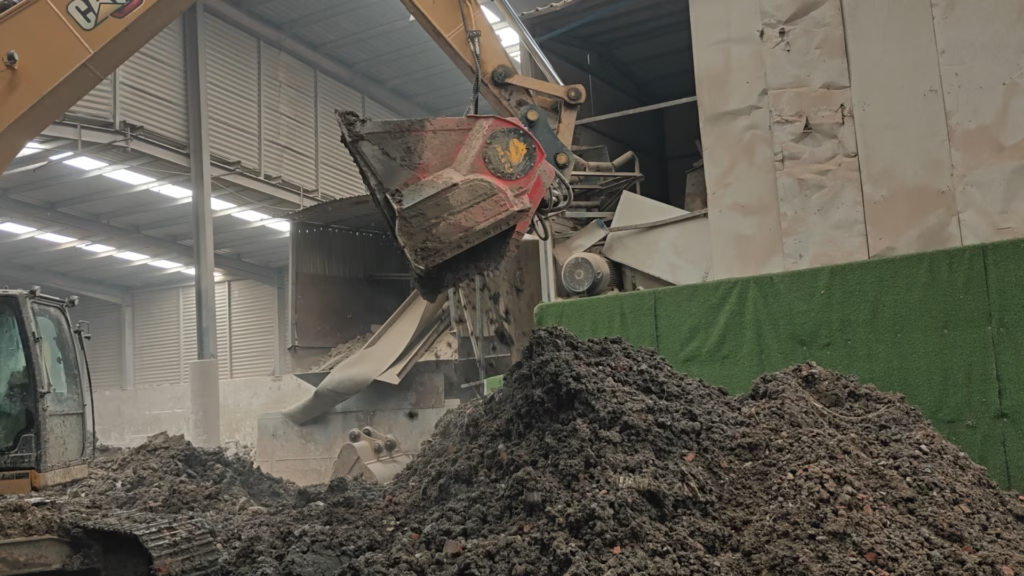
In this application, the result was immediate. Sticky soil passed through the bucket without caking onto the combs, while rebar and larger debris were screened out of the material. The bucket continued working shift after shift without the repeated cleaning stops that had affected previous attempts.
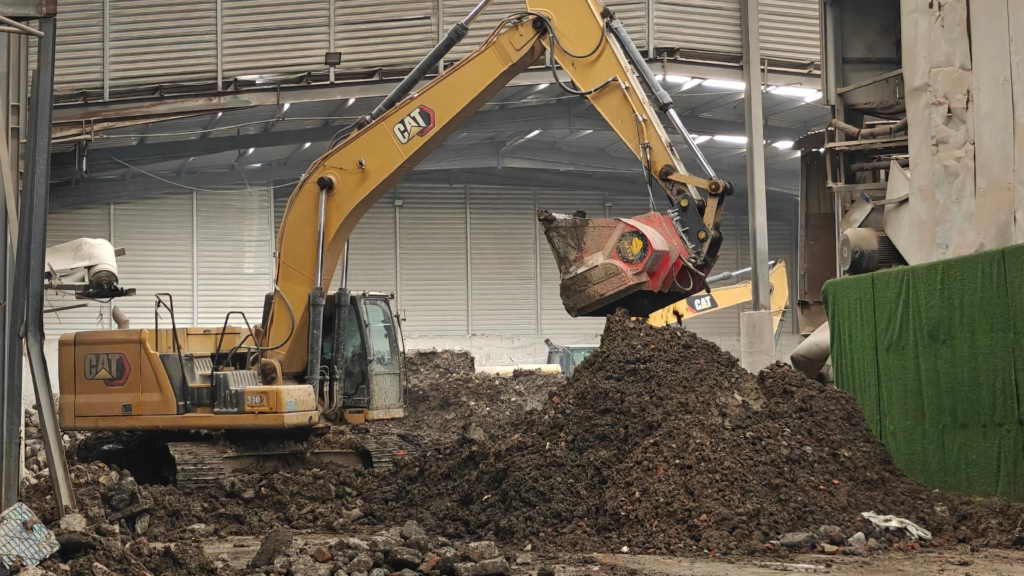
Making New Profit Streams
Where the contractor had previously been paying to haul material away, they were now generating income from both output streams. Maintenance was also straightforward: worn combs and blades could be replaced on site without special tools. ALLU Screening Buckets are designed to keep working – not to sit in the workshop.
“Other buckets couldn’t handle this wet clay soil. They’d clog in minutes. The ALLU runs all day. We’re selling soil we used to pay to dump. That’s the difference,” the contractor explained.
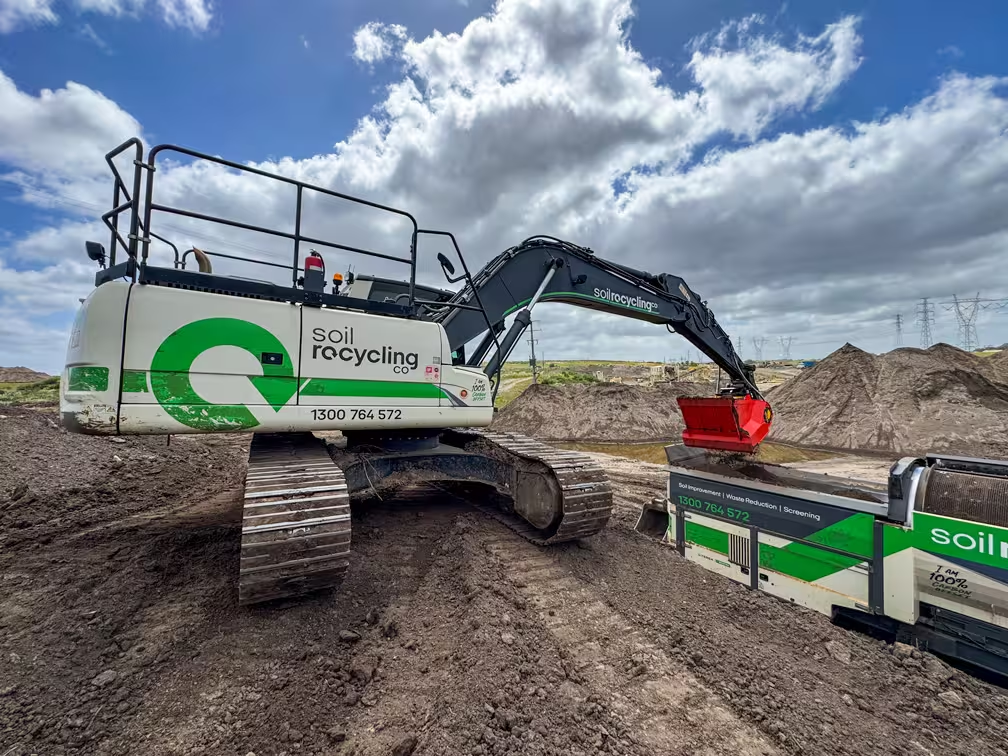
No additional equipment. No complicated processing line. Just one bucket, one excavator or loader, and material that can finally be recovered, separated, and turned into revenue.
See how ALLU handles sticky construction waste.
Related products
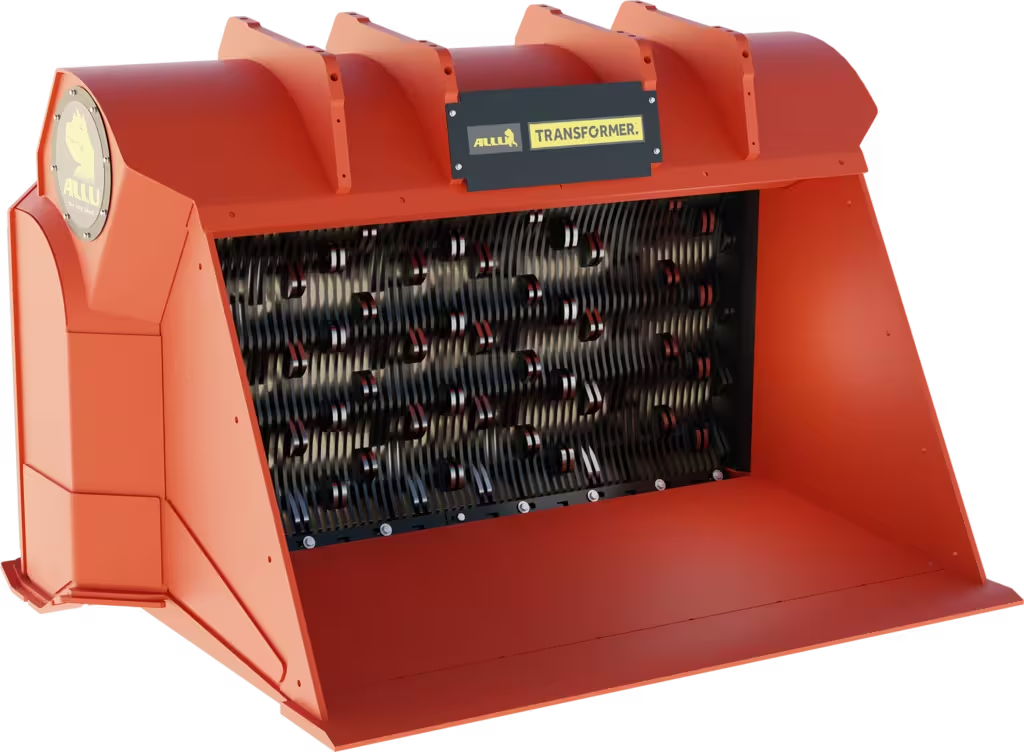


Screening Bucket – D-Series
Other case studies
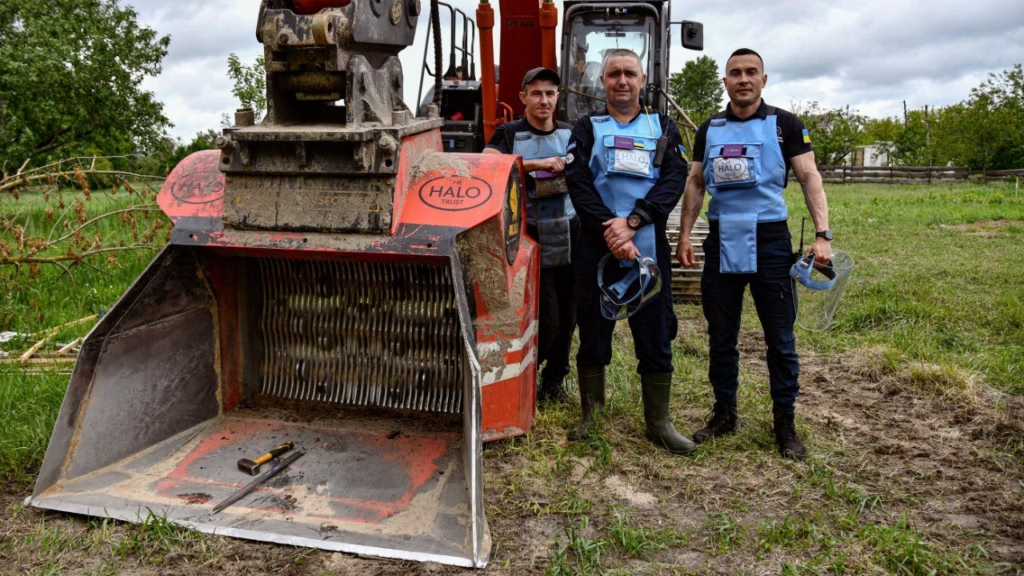
Soil Processing in Demining Operations
The HALO Trust is one of the world’s largest humanitarian demining organizations, working to protect lives and restore livelihoods in communities affected by conflict. In Ukraine, HALO uses ALLU screening…
Explore customer story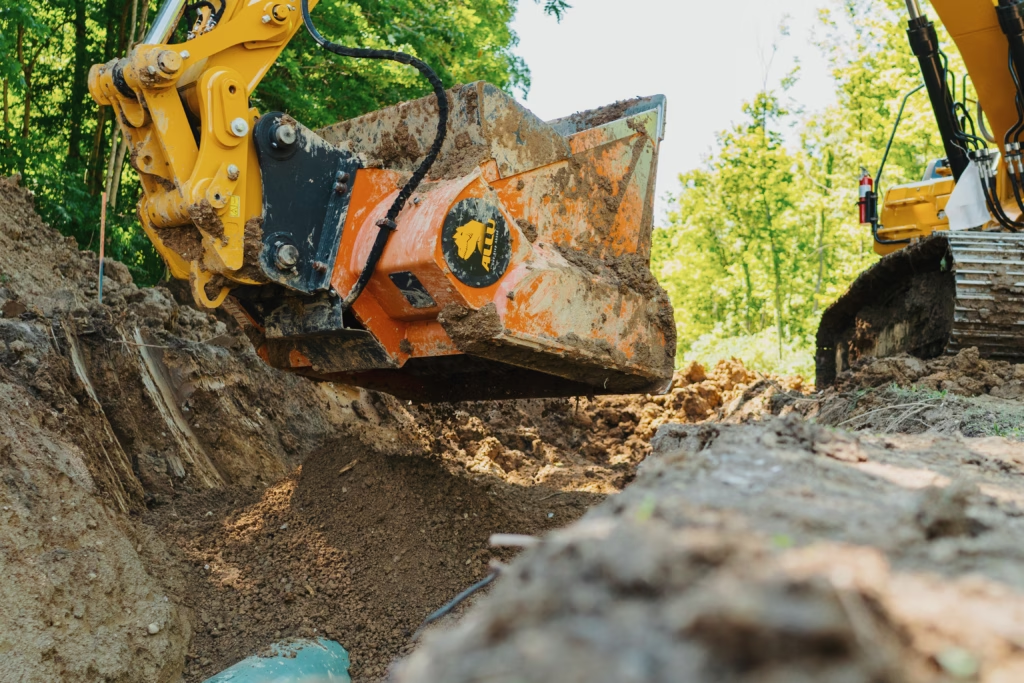
Turning Excavated Material into Quality Pipeline Backfill
On a 5-mile oil and gas pipeline project in Ohio, ALLU Screening Buckets transformed excavated soil into specification-ready backfill directly on-site. By screening and placing material with the same excavator,…
Explore customer story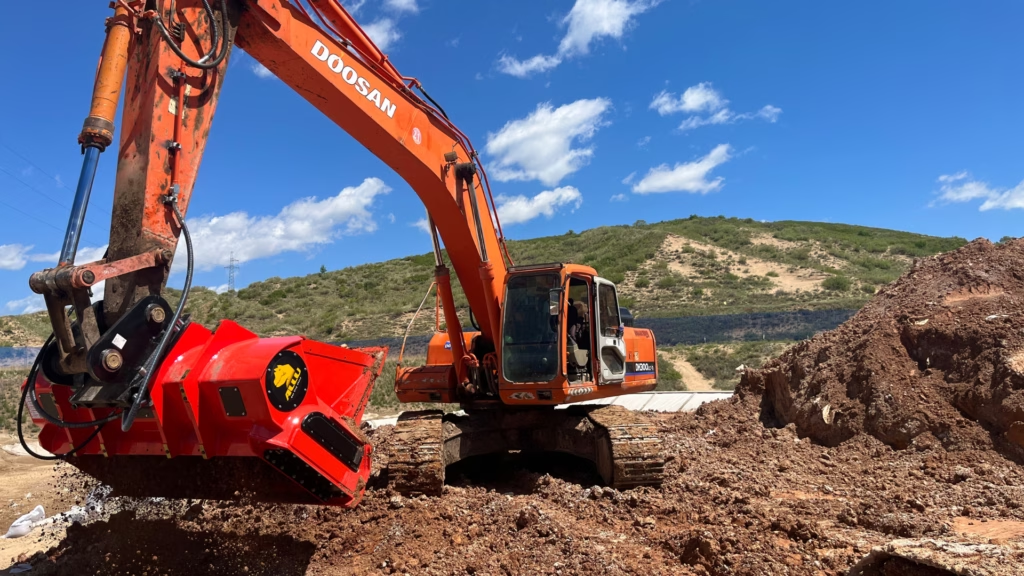
On-Site Remediation of Arsenic-Contaminated Soil with ALLU
Traditional remediation of arsenic-contaminated soil often requires multi-step processing and dedicated mixing plants. At a site in Hexigten Banner, Inner Mongolia, an ALLU DH screening bucket enabled on-site mixing and…
Explore customer story