A prime piece of land in Hangzhou, previously occupied by a chemical plant, was slated for redevelopment into a modern office building after the factory’s relocation. However, years of industrial activity had left the soil severely contaminated. Before the land could be handed over to developers, the government mandated a full remediation: the original soil had to be excavated and sent for incineration or thermal desorption for purification.
A Costly Challenge Arises
The main contractor faced a significant hurdle. The excavated soil was riddled with various impurities — primarily rocks, but also construction debris like concrete fragments and old pipes. These contaminants made it impossible to directly feed the soil into the expensive incineration or thermal desorption facilities, as they could damage the equipment and reduce processing efficiency. The traditional approach would involve multiple steps: preliminary manual sorting, transporting all mixed soil to a distant processing site, and then potentially using separate large equipment for crushing and screening before final treatment. This process was not only time-consuming but also incurred massive costs in transportation, handling, and extra machinery rental.
An On-Site Screening Solution
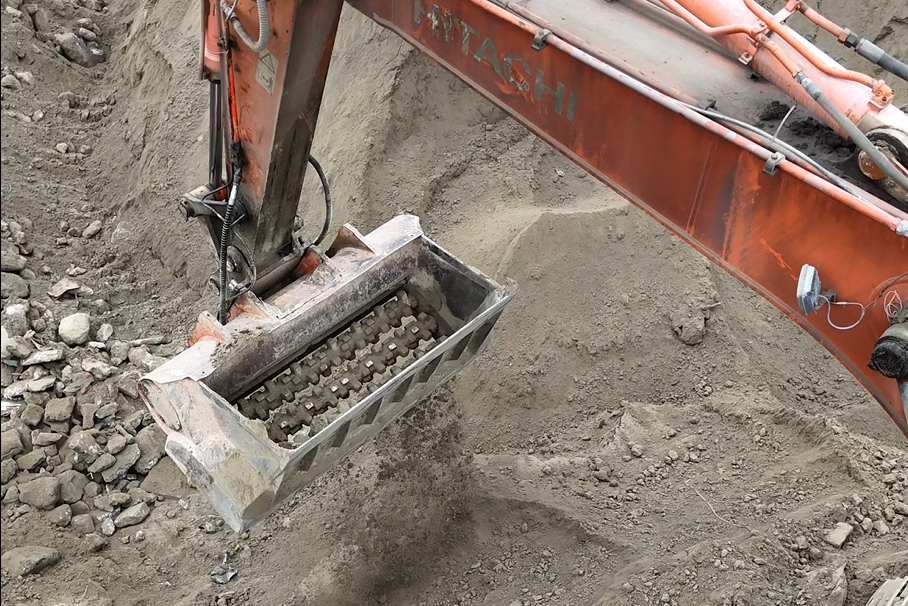
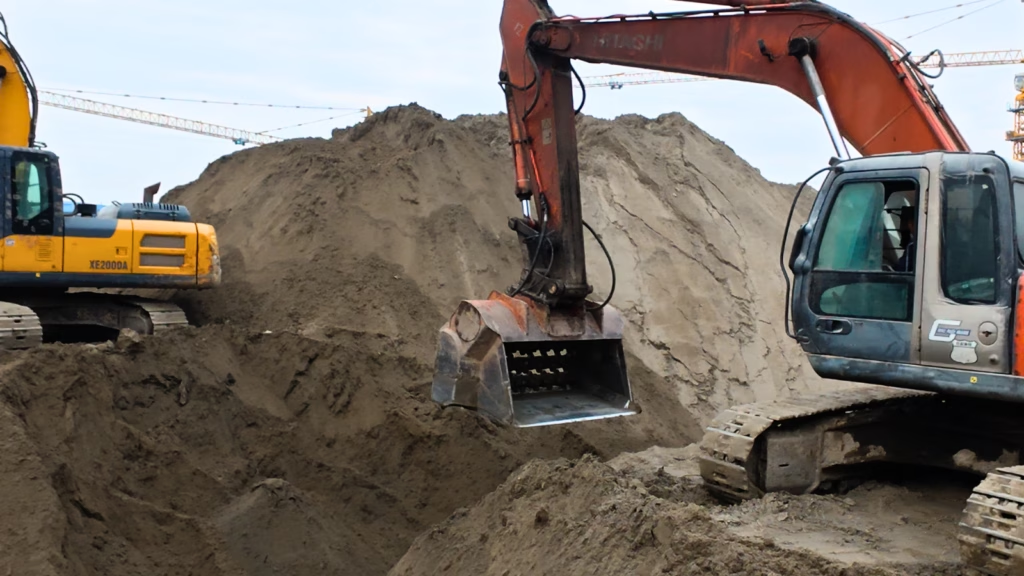
Seeking a smarter approach, the contractor turned to the ALLU screening bucket. Their strategy was to process the soil directly on-site. By attaching the ALLU bucket to their existing excavators, they could screen the excavated material in place. The fine soil would be separated from the larger impurities, achieving two critical goals simultaneously: effectively removing contaminants and producing a consistent, fine-grained soil ideal for the subsequent purification processes.
Transforming the Work Model
The implementation of the ALLU bucket dramatically changed the project’s dynamics. The need for pre-sorting and the costs associated with transporting unscreened soil were eliminated.
“The ALLU bucket paid for itself in a remarkably short time, just a couple of months on this project,” stated the site manager. “We’ve run hundreds of tons of contaminated soil through it. It handles the heavy, variable construction debris without any issues. It’s become one of our most vital pieces of equipment on this remediation site.”
He further elaborated on the financial impact: “The ALLU solution fundamentally changed our cost structure. Previously, we would have faced enormous bills for transporting all the untreated soil and paying for the disposal of waste like rocks and stones separately. Now, we screen on-site. We only send the purified fine soil for thermal treatment, drastically reducing the volume and weight that needs to be transported. We’ve seen a significant reduction in overall project costs — it’s a much more profitable and efficient way to work.”
Efficiently Handling Demanding Materials
Soil remediation, especially on former industrial sites, involves processing challenging materials. The soil is often heavy, cohesive, and mixed with unpredictable debris. The ALLU bucket is specifically designed for such versatility. It efficiently screens and separates the soil, removes rocks and debris, and breaks down clumps to produce a uniform material stream. This not only ensures the quality of soil fed into the purification system but also optimizes the entire remediation workflow by reducing manual labor, minimizing the need for additional equipment, and significantly cutting down processing time.
Related products
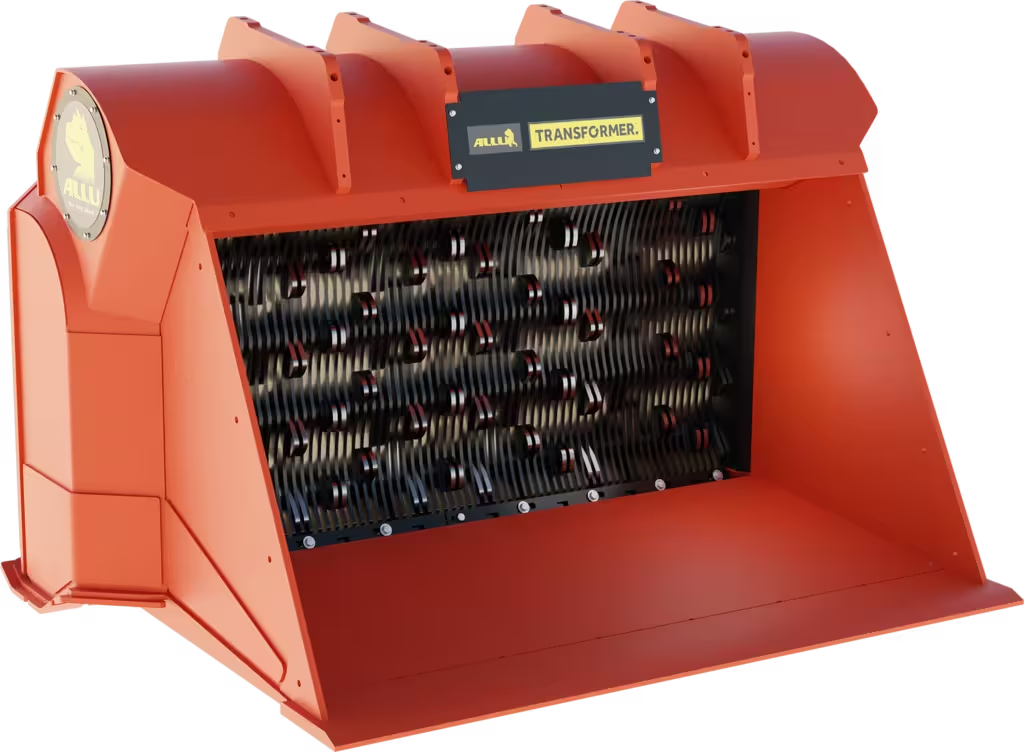


Screening Bucket – D-Series
Other case studies
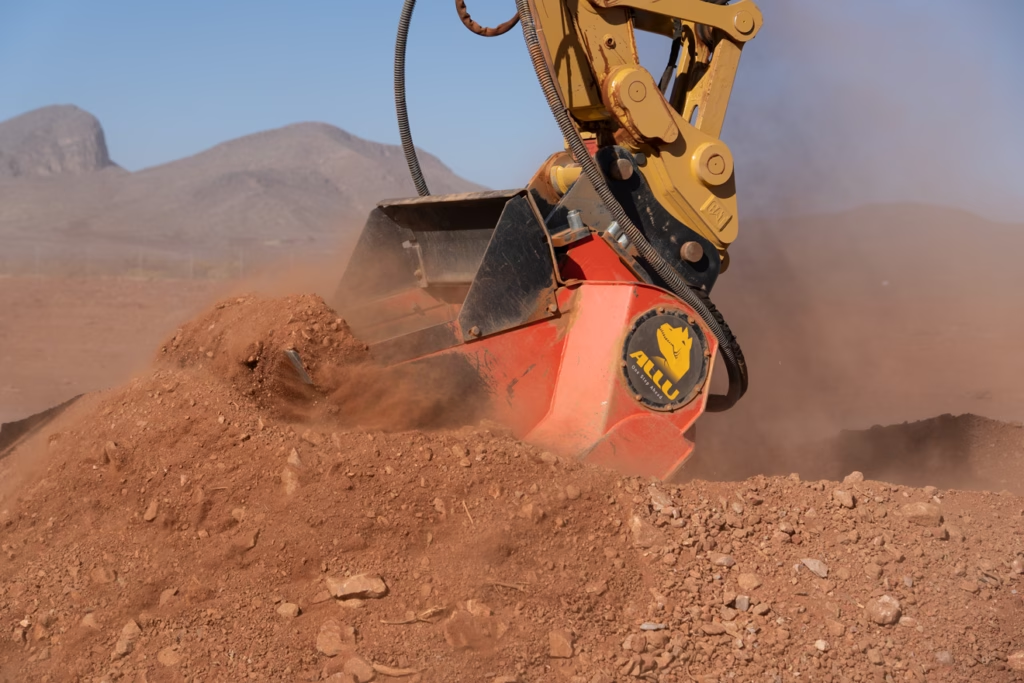
Better backfill in solar padding
To handle smaller jobs where large padding equipment didn’t fit, Ozzies brought in ALLU DN 3-12 buckets – screening material directly into trenches for solar, civil, and water projects with…
Explore customer story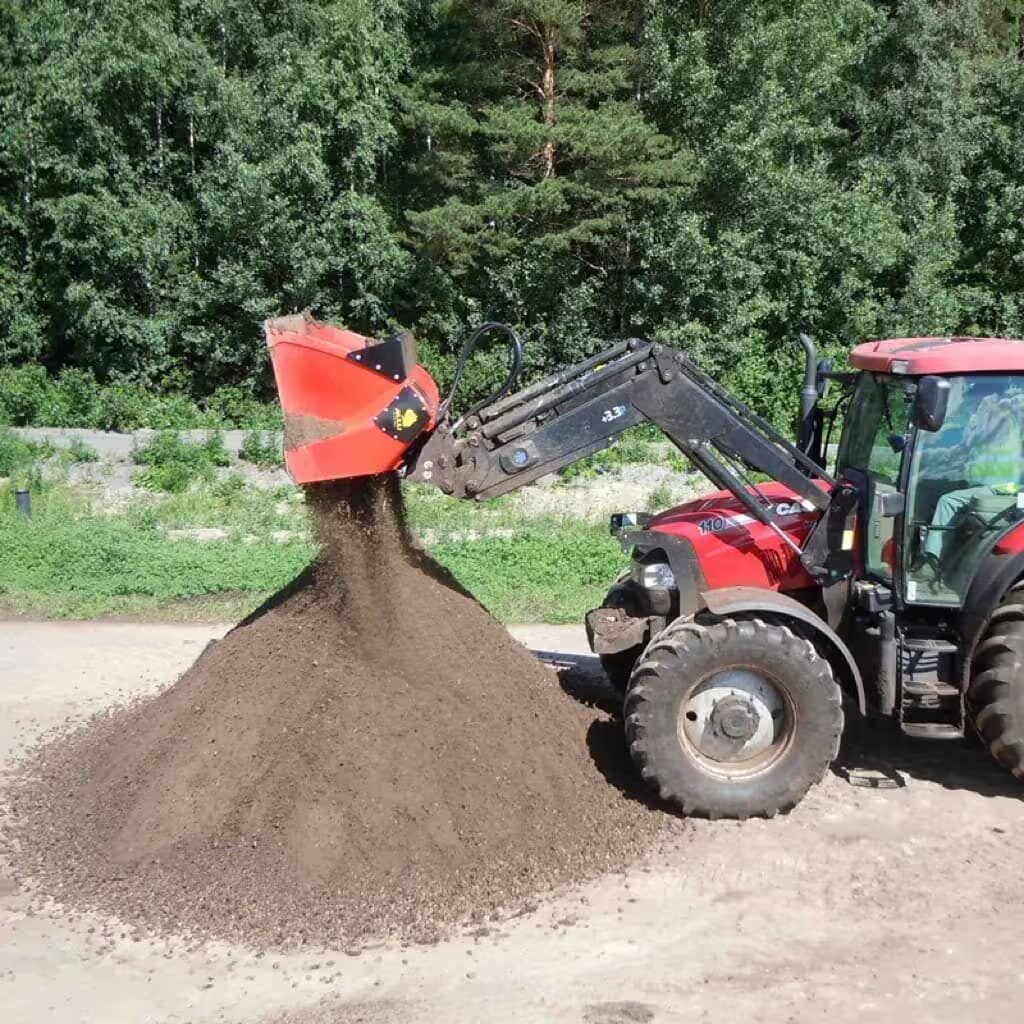
ALLU USA Landscaping turning waste into profits!
ALLU screener crusher enables you to reduce and recycle a wide variety of materials, from soil and compost material to manure, silt, and peat regardless of the job site’s location.
Explore customer story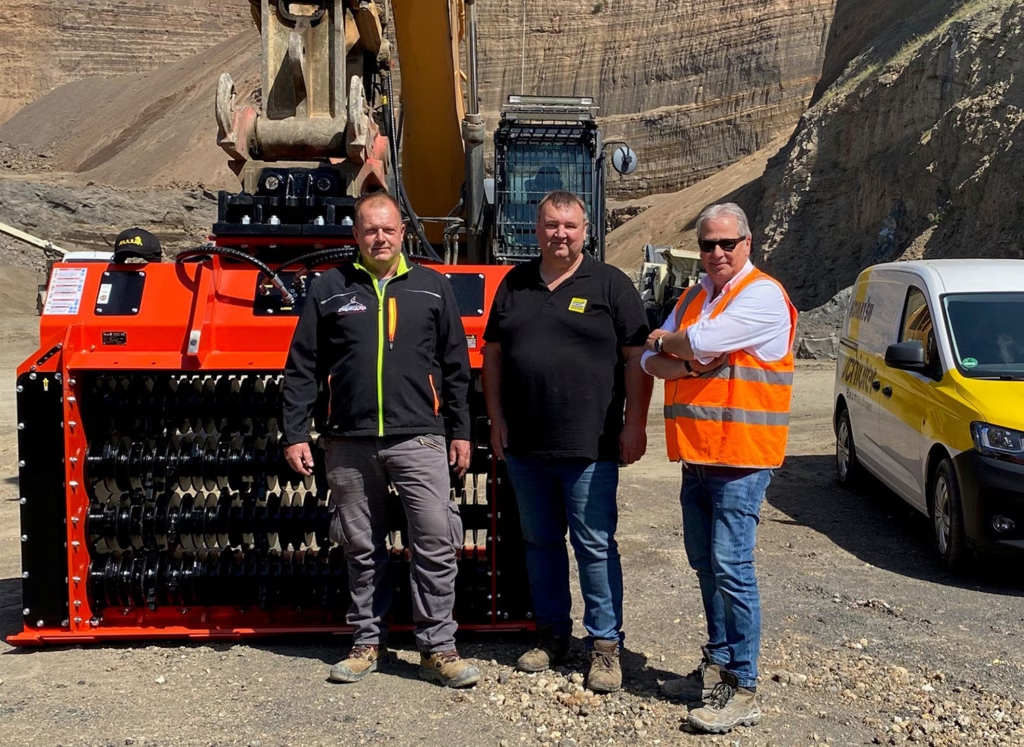
Efficient and Sustainable Lava Processing
Schaumlava Grube Herchenberg GmbH enhances its efficiency and sustainability in lava rocks processing by integrating the ALLU DH 4-17 Screening Bucket directly into quarry operations. By crushing material on-site, the…
Explore customer storyInterested?
Contact our team and we’ll help you find the perfect solution for your business.